Why Can't Penguins Fly? Evolution Has the Answer
Discover why penguins traded the sky for the sea and how millions of years of evolution transformed them into underwater winged masters
Why Can't Penguins Fly? Evolution Has the Answer
If you've ever watched a penguin waddle awkwardly across the ice, you might wonder how these birds are even related to eagles and sparrows. Their wings seem almost comically small for their chunky bodies, and the idea of them taking to the sky feels impossible. But here's the fascinating part: penguins didn't always walk and swim exclusively. Their ancestors could fly.
So what happened? Did penguins become overweight? The answer lies in one of evolution's most interesting trade-offs.
Penguins Are Birds, But Different
Let's start with the basics. Penguins are absolutely, definitively birds. They have feathers, lay eggs, and have beaks. They're warm-blooded and belong to the same class (Aves) as hummingbirds, owls, and ostriches.
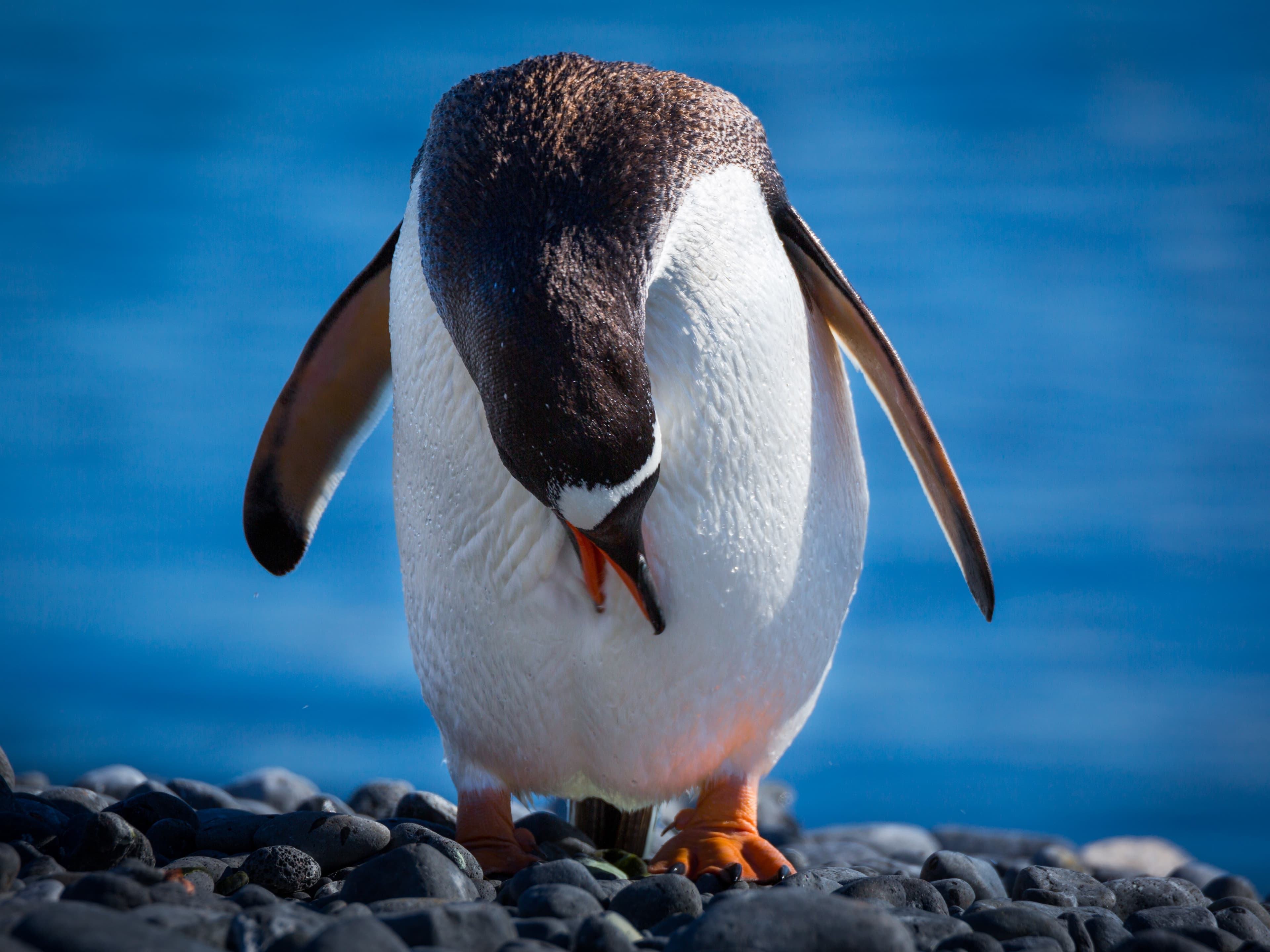
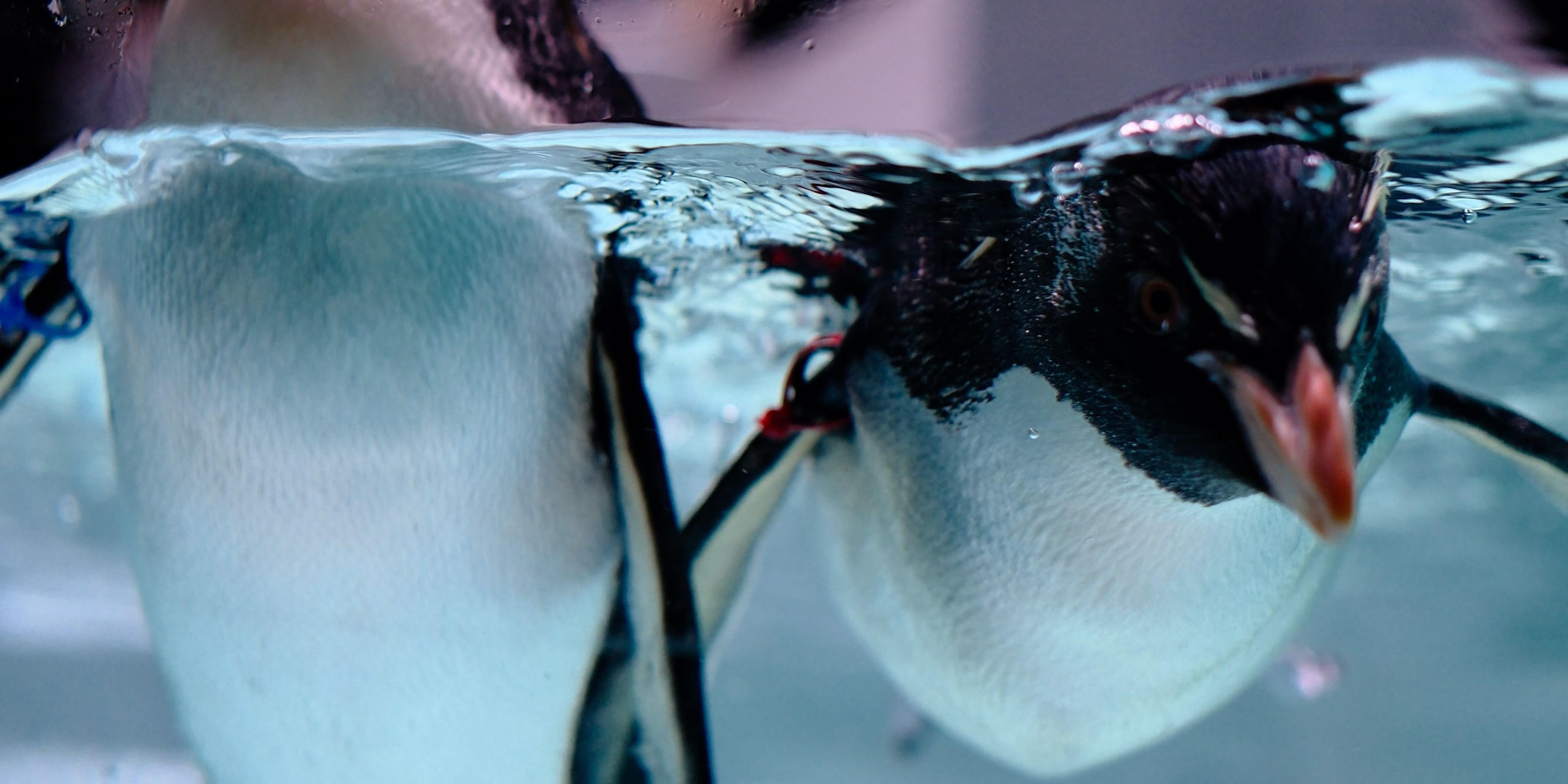
But unlike most birds, penguins can't fly. Their wings don't generate lift in air. Instead, these wings have evolved into something entirely different: flippers perfectly designed for underwater navigation. When a penguin "flies" underwater, reaching speeds of up to 36 km/h in the case of Gentoo Penguins, it's using the same basic motion that other birds use to fly through air.
The key difference? Water is about 800 times denser than air, which changes everything about how flight works.
The Evolutionary Trade-Off
Here's the core of the story: penguins didn't lose the ability to fly because something went wrong. They traded aerial flight for something more valuable in their environment—exceptional swimming ability.
Evolution is all about trade-offs. You can't be the best at everything. Birds that fly need lightweight, hollow bones and large wings relative to their body size. But these same features make them terrible swimmers. Try to dive deep with hollow bones full of air, and you'd be fighting the upward push of the water the entire way down.
Penguins went the opposite direction. Over millions of years, their bodies became optimized for life in the water:
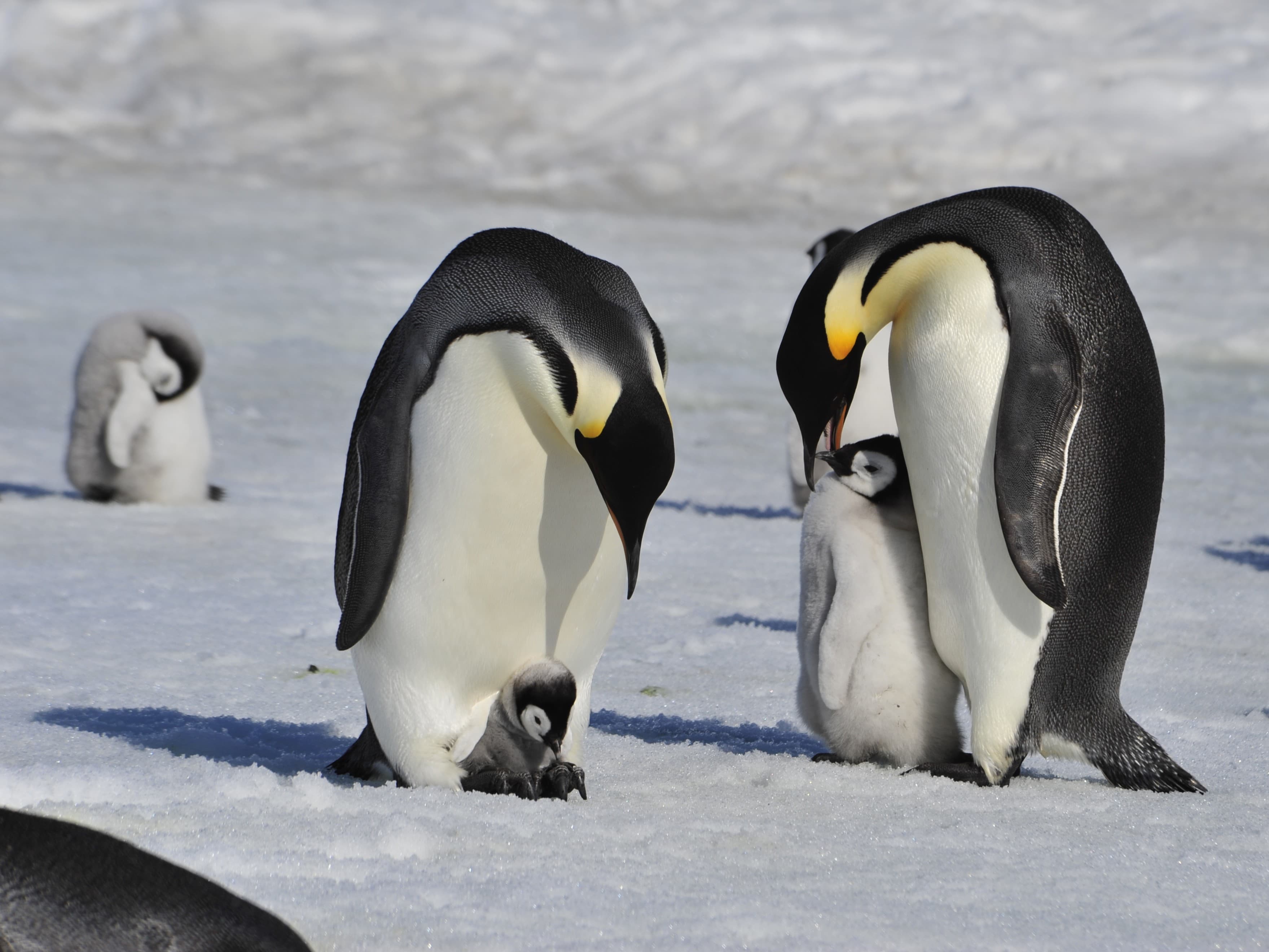
Solid, dense bones replaced hollow ones, making diving easier and allowing them to reach incredible depths. Emperor Penguins can dive over 500 meters deep - that's taller than most skyscrapers.
Wings became flippers - shorter, stiffer, and more paddle-like. These flippers generate powerful thrust underwater but lack the surface area and flexibility needed for air flight.
Bodies got heavier and more streamlined - the torpedo-shaped body that makes penguins such efficient swimmers would be far too heavy to get airborne with their small wings.
Feathers changed structure - penguin feathers are short, stiff, and densely packed (about 100 feathers per square inch), creating a waterproof, streamlined surface. Flying birds need longer, more flexible feathers.
How Long Did This Take?
The million-dollar question: how long did it take penguins to lose their ability to fly?
Based on fossil evidence and genetic studies, scientists estimate that penguins diverged from their flying ancestors around 60-62 million years ago, shortly after the extinction event that wiped out the dinosaurs. The oldest known penguin fossils, found in New Zealand, date back about 61 million years.
Here's what's remarkable: these early penguins were already flightless. The fossils show birds that were clearly adapted for swimming, with wing bones that looked more like modern penguin flippers than flying bird wings.
This suggests that the transition from flying to swimming happened relatively quickly in evolutionary terms - likely within a few million years of penguins branching off from their flying relatives. Once their ancestors committed to an aquatic lifestyle, evolution rapidly reshaped their bodies for underwater efficiency.
Why the Ocean Was Worth It
You might still wonder: why give up flight at all? Flying seems like such a useful ability.
The answer becomes clear when you look at where penguins live and what they eat. The Southern Ocean surrounding Antarctica is one of the most productive marine environments on Earth. Cold waters rich in nutrients support massive populations of krill, fish, and squid.
For a bird trying to catch fish, being able to fly in air is nice. But being able to "fly" underwater, chase down fast-moving prey at depth, and dive repeatedly throughout the day? That's a game-changer.
Early penguin ancestors that were slightly better swimmers caught more food. They survived better and had more offspring. Over generations, the population shifted toward individuals with traits that improved swimming, even at the expense of aerial flight.
Eventually, there was a tipping point. Once wings became too specialized for swimming, they simply couldn't generate enough lift for flight anymore. Evolution had locked penguins into their marine lifestyle.
The Physics Problem
There's also a fundamental physics problem that explains why penguins can't do both. It's called the flight-diving trade-off.
Birds that can fly well need a lot of power relative to their body weight. This requires large flight muscles and wings sized appropriately for their body mass. But these same large wings create massive drag underwater, making diving inefficient and energy-expensive.
Researchers have calculated that there's essentially no way to build a bird that's both an excellent flier and an excellent diver. You have to choose. Penguins chose diving, and they became absolutely exceptional at it.
Some birds, like puffins and auks, try to split the difference. They can both fly and dive, but they're not particularly great at either compared to animals which specialize in one. Puffins are adequate fliers with small wings that beat frantically to stay airborne. They're decent divers but nowhere near penguin capabilities.
Penguins went all-in on diving, and it paid off spectacularly.
Could Penguins Ever Fly Again?
Evolution could theoretically reverse course, but it's incredibly unlikely. Evolution doesn't have a memory or a goal - it only responds to current environmental pressures.
For penguins to evolve flight again, they'd need millions of years and strong evolutionary pressure favoring aerial flight over swimming ability. Given that penguins are highly successful in their current form, there's no reason to expect this to happen.
Once complex traits are lost, they're very difficult to re-evolve. Penguins have been flightless for over 60 million years. Their entire body plan, from bone structure to muscle arrangement to feather design, is built around swimming. Reversing all those changes would require a complete redesign that would likely only be possible in a controlled laboratory setting.
The Bottom Line
So why can't penguins fly? Because their ancestors made a choice - though not consciously, of course. Evolution "chose" swimming over flying because in the rich waters of the Southern Ocean, being an underwater acrobat was more valuable than being an aerial one.
The transformation took just a few million years, relatively quick in evolutionary terms. What emerged was a bird so specialized for ocean life that it looks almost alien compared to typical birds. Those stubby wings that seem useless on land are actually highly efficient underwater propulsion systems.