What Makes Emperor Penguins Unique: 10 Ways to Adapt
From breeding in total darkness to diving 500 meters deep, discover the unique characteristics that make Emperor Penguins the most remarkable penguin species on Earth.
Among the 18 penguin species spread across our planet, Emperor Penguins stand apart as the true extremists of the penguin world. While their cousins species nest on temperate shores or rocky islands, Emperors have adapted to the lifestyle so challenging that it reaches highest level of difficult on plane Earth - they breed during the Antarctic winter, in complete darkness, on shifting sea ice, in temperatures that can freeze exposed skin in seconds.
But calling them unique doesn't quite capture it. Emperor Penguins aren't just different from other penguins - they've evolved solutions to problems that no other bird on Earth has even attempted to solve.
1. The Only Bird That Breeds in Antarctic Winter
Every other bird species on the Antarctic continent follows a sensible strategy: breed during summer when food is abundant and temperatures are merely freezing rather than deadly. Emperor Penguins do the exact opposite, breed in the hardest coditions possible.
They begin their breeding cycle in March and April, just as the Antarctic autumn descends and most other wildlife is fleeing northward. By the time their single egg is laid in May or June, the continent is plunged into 24-hour darkness and experiencing the harshest weather conditions on Earth.
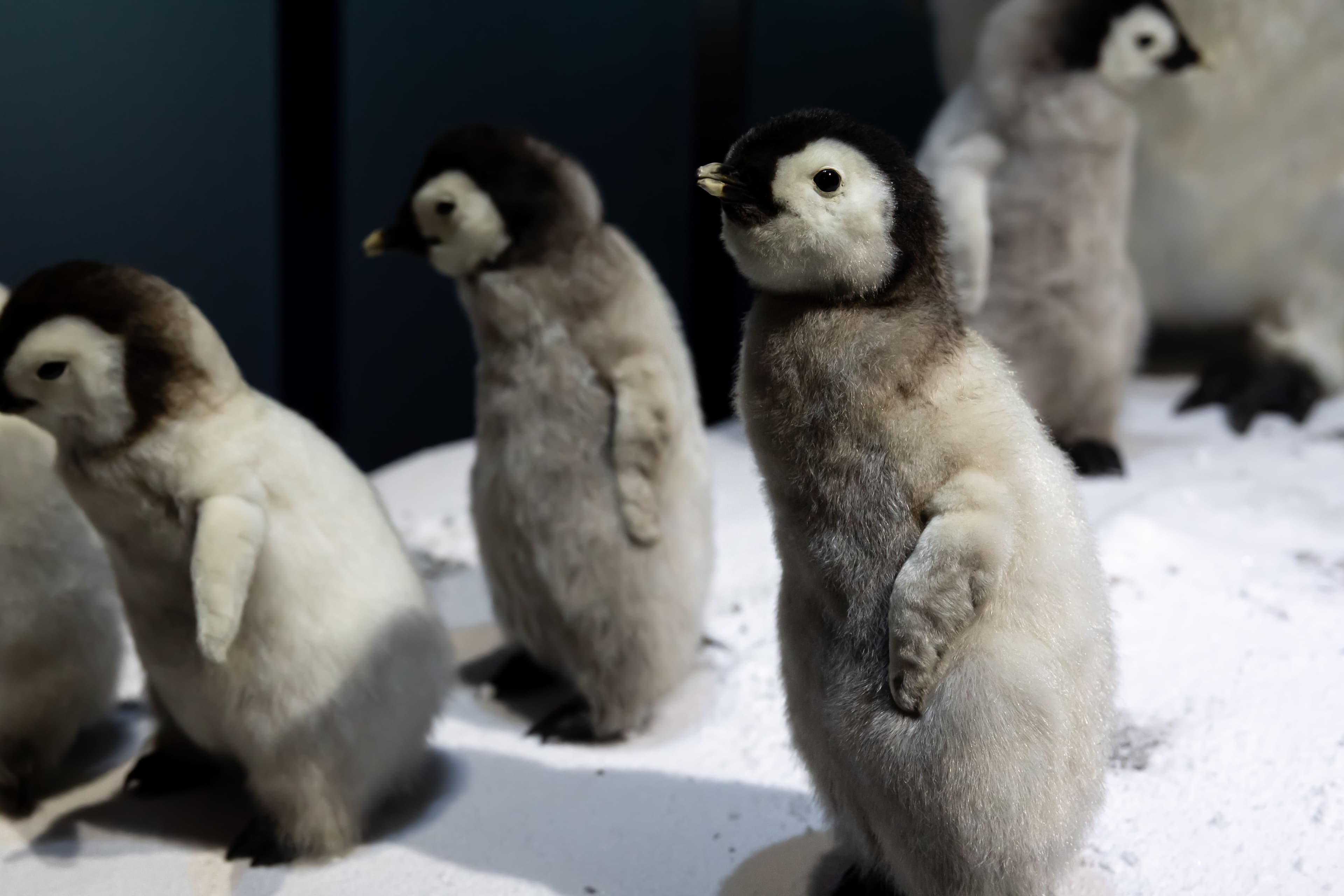
This seemingly suicidal timing is actually brilliant strategy. By breeding in winter, Emperor penguin chicks are ready to leave the colony and enter the ocean in the Antarctic summer, precisely when food resources explode with productivity. The adults endure months of hardship so their offspring get the best possible start in life.
No other bird species on Earth attempts anything remotely similar. While other Antarctic birds like Adélie or Gentoo penguins nest during the brief summer window, Emperors have the winter all to themselves - a niche so extreme that competition doesn't exist.
2. Record-Breaking Diving Skills
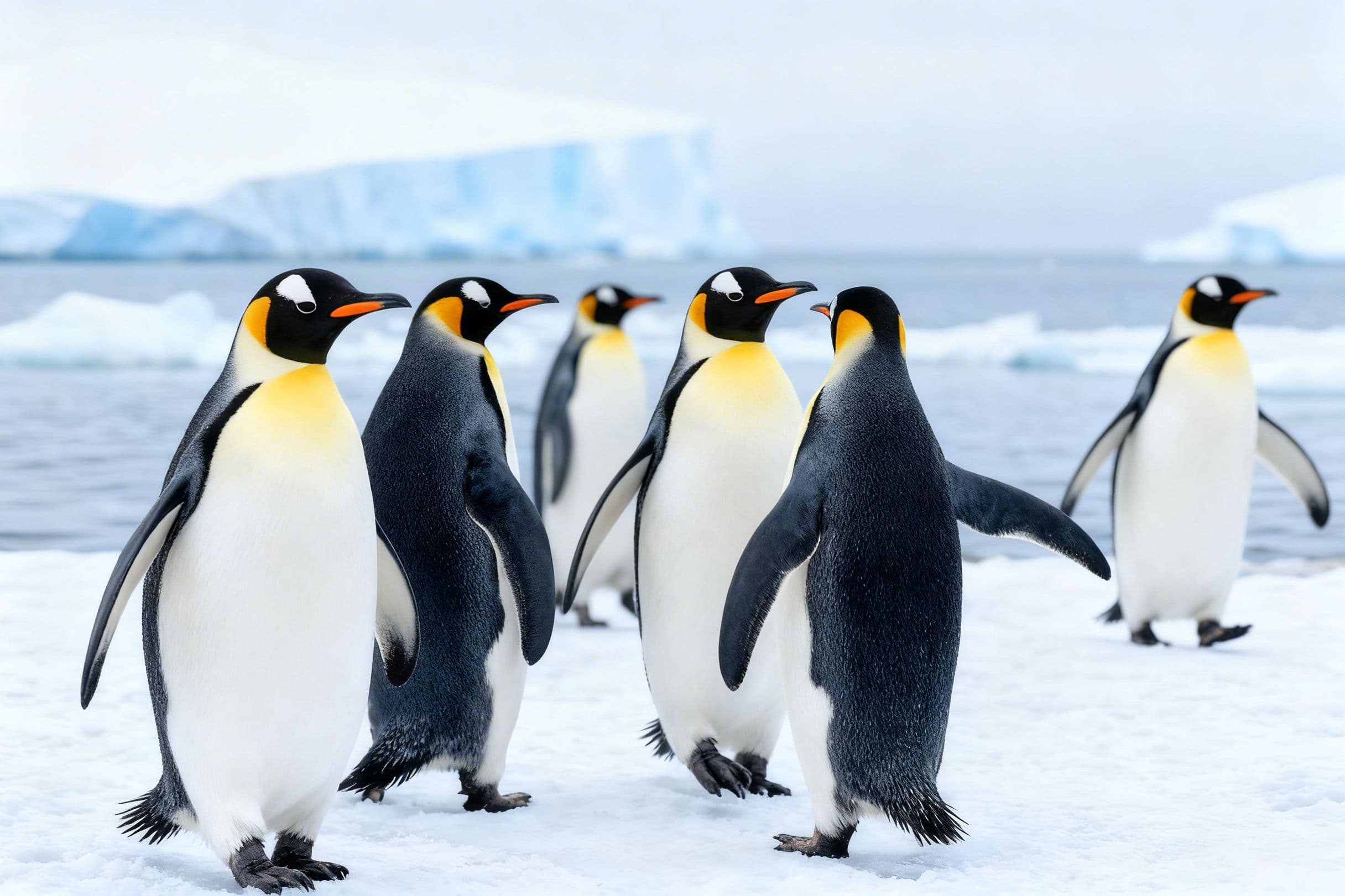
When it comes to diving, Emperor Penguins have shattered every record in the bird world and put most marine mammals behind them.
The deepest recorded Emperor Penguin dive reached 564 meters - that's deeper than the height of the Empire State Building. At these depths, the water pressure is crushing, approximately 56 times greater than at the surface. Yet Emperor Penguins navigate this environment quite easily, hunting fish and squid in near-total darkness.
But depth isn't their only impressive metric. Emperor Penguins can hold their breath for over 27 minutes, though typical hunting dives last 5-12 minutes. Compare this to other penguin species: King Penguins, their the most similar relatives, max out at around 300 meters and 10 minutes. The gap is enormous.
Their diving physiology reads like an engineer's dream. They have solid bones instead of the air-filled bones of flying birds, which helps them dive without fighting buoyancy. Their blood contains exceptionally high levels of hemoglobin, and their muscles are packed with myoglobin - both are oxygen-carrying proteins that function like internal scuba tanks.
But perhaps most remarkably, Emperor Penguins can collapse their lungs during deep dives. This isn't a malfunction - it's a feature which helped them to adapt. By collapsing their lungs, they reduce the amount of nitrogen absorbed into their bloodstream, preventing decompression sickness that would cripple or kill other animals attempting similar dives. They essentially turn off the gas exchange in their lungs and rely entirely on stored oxygen.
3. Four-Month Fasting: Starvation Endurance
Male Emperor Penguins perform what might be the animal kingdom's most extreme fasting challange. From the moment they arrive at the breeding colony until they finally return to the ocean, males go without food for up to 120 days - 4 full months.
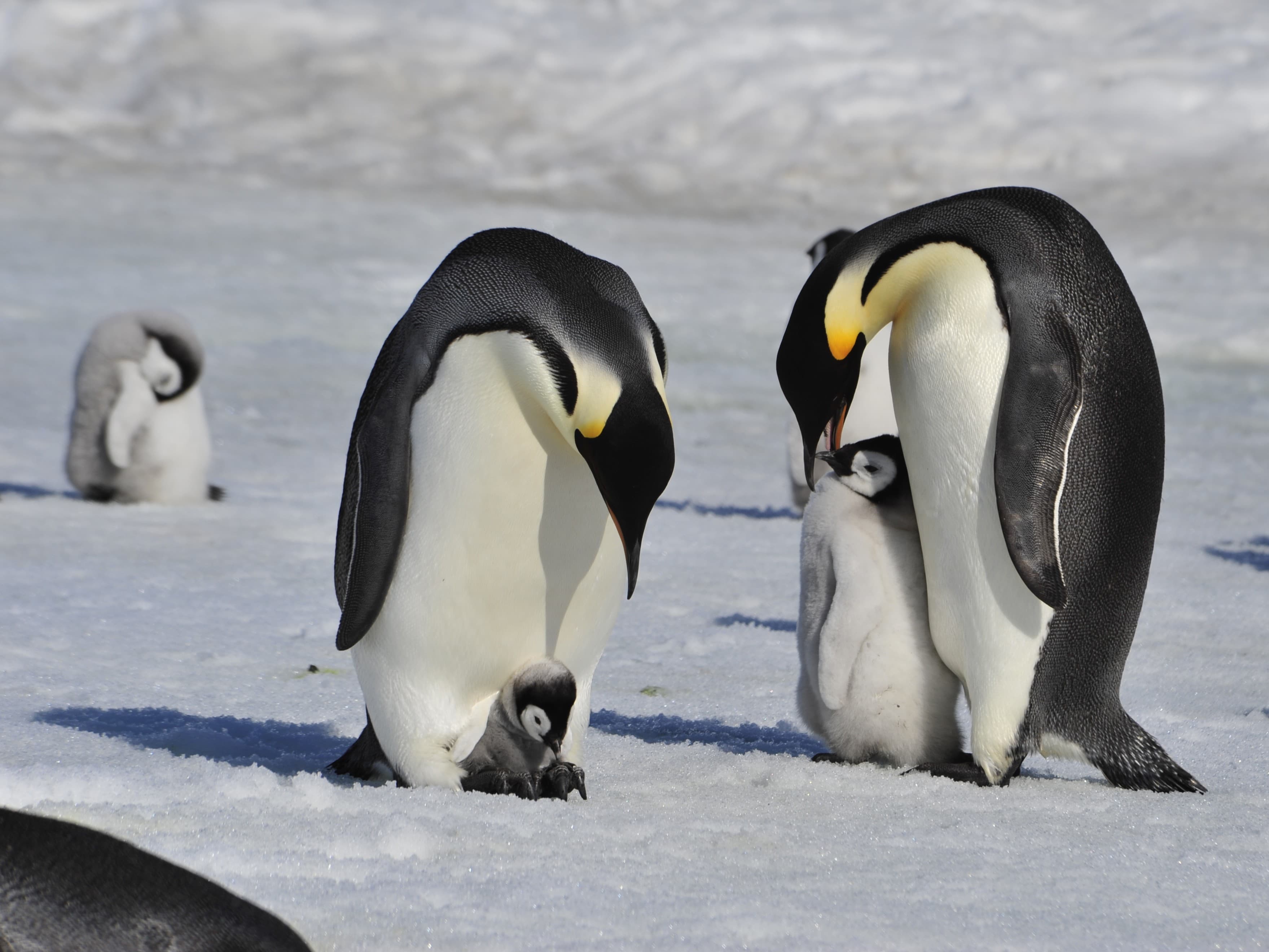
During this time, they're not resting in a hibernation - winter like sleep. They're actively incubating an egg balanced on their feet, maintaining its temperature at 37°C while surrounded by air temperatures of -40°C or colder. They're huddling with thousands of other males, shuffling positions, and burning huge amounts of calories just to stay alive.
The male starts this marathon weighing around 38-40 kg. By the time he returns to the ocean, he might weigh as little as 23 kg - a loss of up to 45% of his body weight. He's burned through all his fat reserves and has begun metabolizing muscle tissue. He's pushed his body to the absolute edge of survival.
What makes this even more impressive is the precision required. The male must conserve just enough energy to make the potentially long march back to the ocean. Run out of reserves too soon, and he dies. Abandon the egg to save himself, and his entire season's reproductive effort fails. The calculation must be perfect.
No other bird species approaches this level of fasting endurance while simultaneously performing such metabolically expensive tasks.
4. Social Intelligence and Voice Recognition
In a colony of 10,000 Emperor Penguins, all looking remarkably similar and all calling at once, how does a returning parent find their mate and chick? The answer reveals a level of acoustic sophistication that rivals dolphins and some primates.
Emperor Penguins possess one of the most impressive vocal recognition systems in the bird world. Each penguin has a unique call - complex vocalization that other penguins can identify individually even in the cluster of thousands of calling birds.
When a female returns from the ocean after weeks away, she and her mate haven't seen each other in the darkness. She must find him by sound alone. She begins calling, and somewhere in the massive crowd, her mate responds. Through the overlapping calls of thousands of other penguins, they recognize each other's voices and go toward one another.
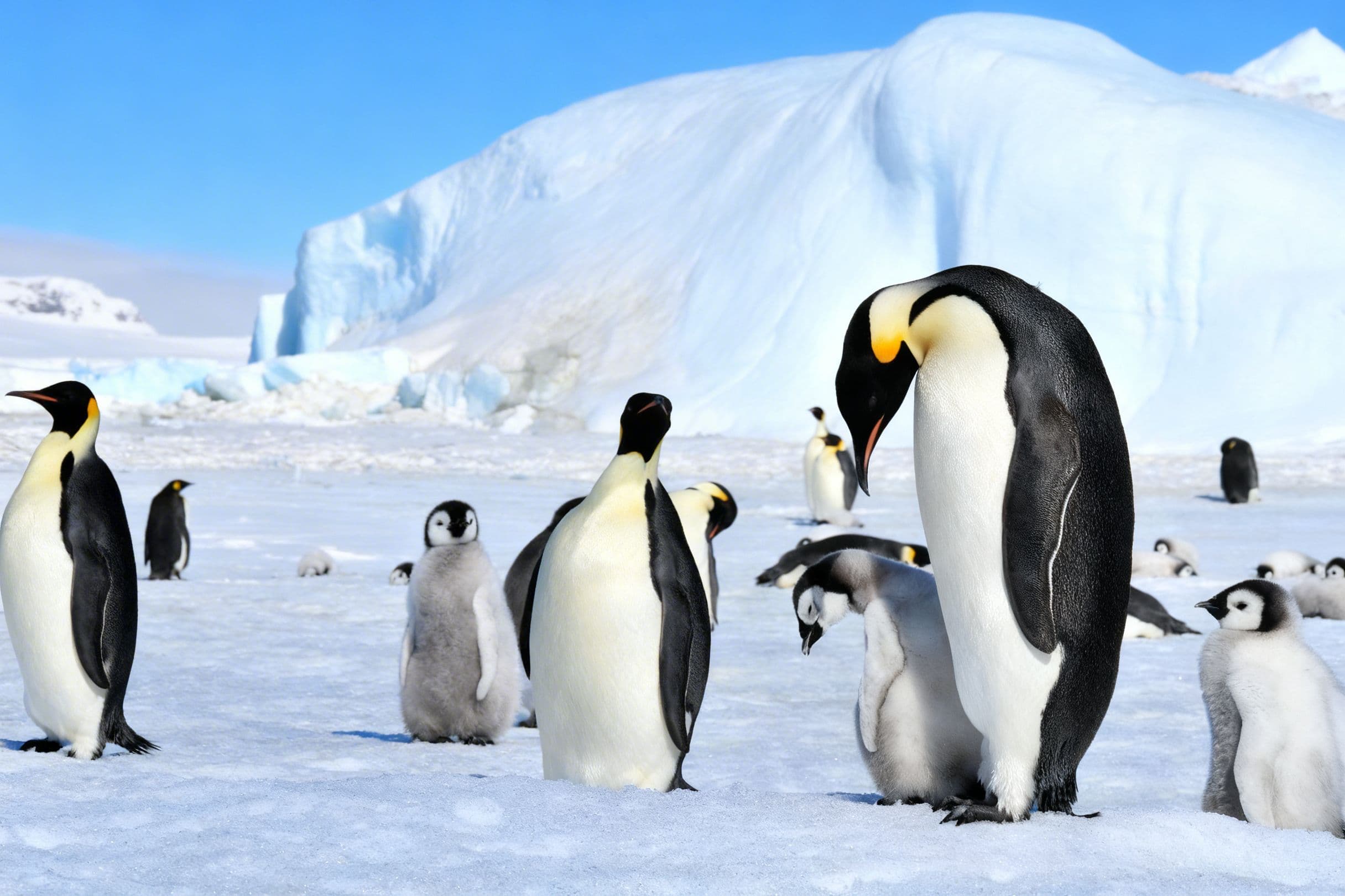
The same holds true for parent - chick recognition. Once the chicks leave the brood pouch — the warm fold of skin where their parents keep them protected — and join crèches (nursery groups), parents must identify their specific chick among hundreds. They do this through call recognition that develops within the first few days of life.
Research has shown that Emperor Penguins can distinguish their partner's call from similar calls played back simultaneously, even when the sound is partially degraded. This acoustic processing ability is one of the most sophisticated communication systems found in mammals.
5. Huddling: Engineered for Survival
The emperor penguin huddle isn't just penguins standing close together — it's a constantly evolving superorganism that demonstrates collective problem-solving.
Thousands of males pack together during the darkest, coldest months, creating a formation so effective that it can reduce individual energy expenditure by up to 50%. The physics are impressive: while the exterior of the huddle might be experiencing -20°C and 50 km/h winds, the interior can reach 37°C - warm enough that penguins sometimes have to push their way out to cool down.
But here's what makes it truly unique: the huddle isn't static. Using time-lapse photography and thermal imaging, researchers discovered that the huddle moves in coordinated waves, like a single breathing entity. Penguins on the outer edge facing the wind gradually sidestep toward the center, while those who've warmed up in the core move back out.
This rotation isn't random. Studies suggest it follows a pattern similar to traffic flow, where small individual movements create large-scale coordinated behavior. No penguin is directing traffic—the system emerges from simple rules followed by individuals.
The huddle shape itself is optimized. Rather than forming a circle (which would have maximum surface area), the huddles stretch into long, kidney-shaped formations, arranged to shield the group from the wind. They form, break apart, and reform throughout the winter in response to changing weather conditions.
No other penguin species, and of course, no other bird species, creates such sophisticated thermoregulatory social structures.
6. Transparent Eyelids and Snow Goggles
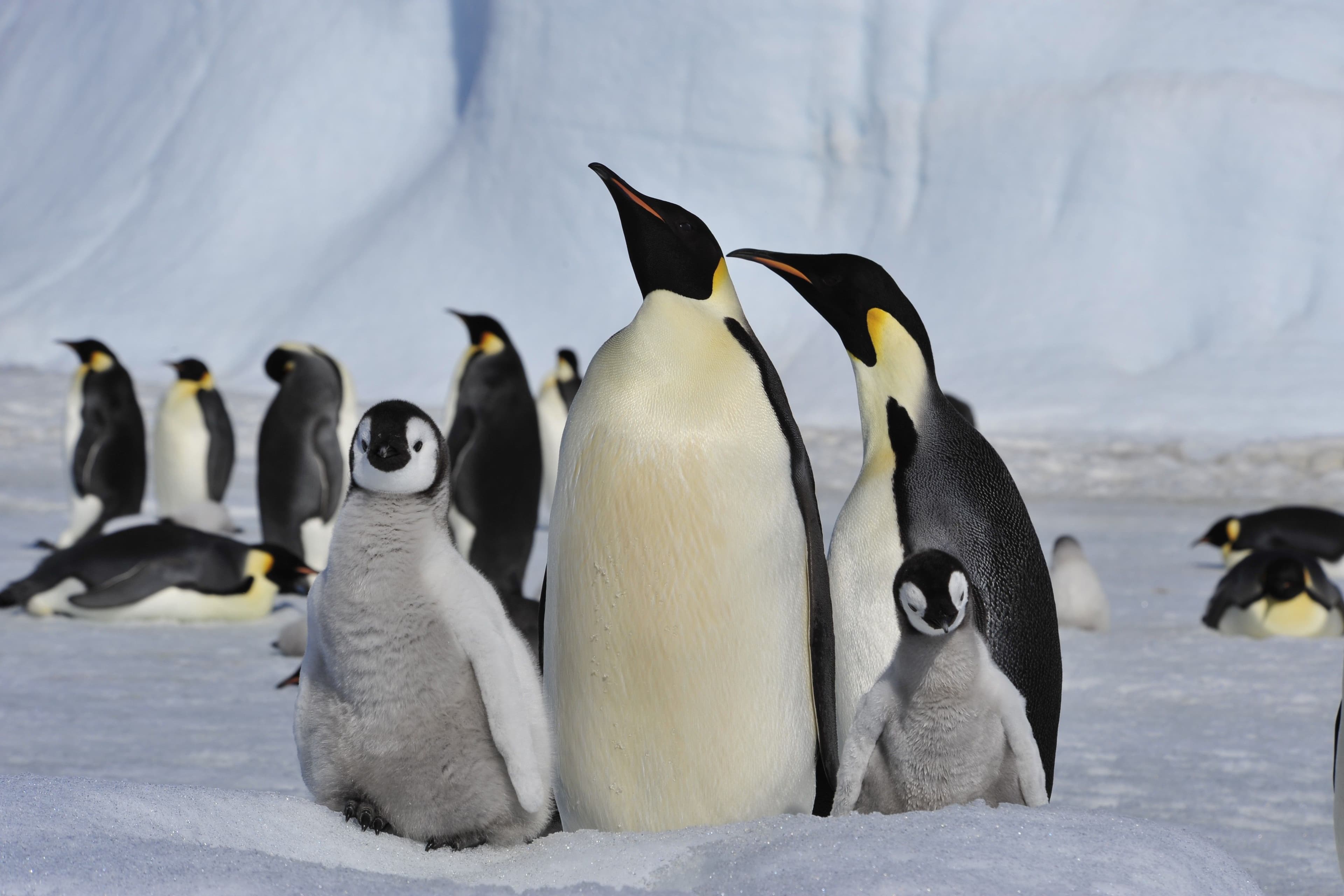
Emperor Penguins face unique visual challenges. They need to see both above and below water, in conditions ranging from blinding white snow to absolute darkness 500 meters beneath the ice.
Their solution includes several unique abilities to adaptat. Emperor penguins have a special third eyelid — a thin, see-through layer that protects their eyes without blocking their vision. This membrane can slide across the eye while still allowing vision—essentially built-in snow goggles that protect against wind, snow, and salt water while keeping their eyes functional.
The front surfaces of their eyes, corneas, is much flatter than in other birds, which helps them see more clearly underwater. While most birds are far-sighted underwater (water changes the refractive properties of the eye), Emperor penguins maintain relatively good vision in both environments - on land and underwater.
In the deep ocean where they hunt, there's virtually no light. Yet Emperor Penguins navigate and hunt effectively. Research suggests they may have enhanced low-light vision, with a higher density of rod cells (the photoreceptors responsible for vision in dim conditions) compared to surface-feeding birds.
Some scientists believe they may use bioluminescence - the natural light produced by certain deep-sea creatures - to help locate food in the dark ocean, though this remains an active area of research.
7. Feather Density Jungle
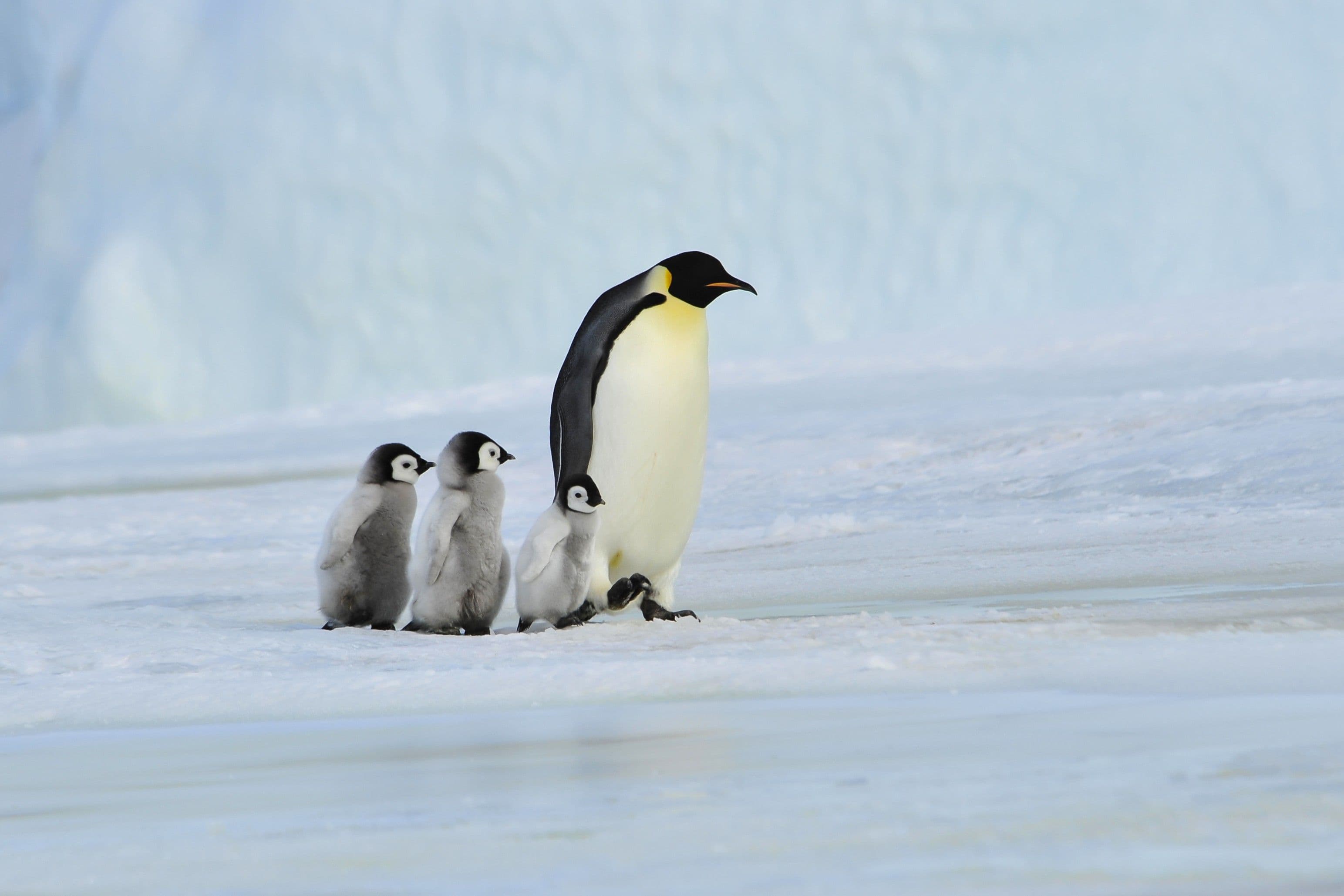
If you've ever wondered why Emperor penguins look so round, it's not just fat — it's their incredibly dense feathers.
Emperor penguins have approximately 15 feathers per square centimeter of skin, making them the most densely feathered bird on Earth. By comparison, most birds have only about 4-5 feathers per square centimeter. Or 100 feathers per square if we calculate per inch of skin.
These aren't randomly growing either. The feathers overlap like roof tiles in multiple layers, creating numerous air pockets that trap warmth. The outer layer is coated with special oils that make it waterproof and windproof. Beneath this outer coat are soft under-feathers that provide most of their insulation.
The feathers are also quite short and stiff compared to other birds—more like a wet suit than a fluffy coat. This design reduces drag in the water while swimming and prevents wind from penetrating to the skin.
Emperor Penguins go through an annual molt where they replace all their feathers at once - a process called catastrophic molt. For about 3-4 weeks, they can't enter the water (they'd freeze without their waterproof coating), so they must fast yet again while standing on ice and growing an entirely new set of feathers. During this period, they can lose another 40-50% of their body weight.
No other bird maintains such dense plumage, and no other bird pays such a high metabolic cost for feather replacement.
8. Feet on Ice and Heat Exchange
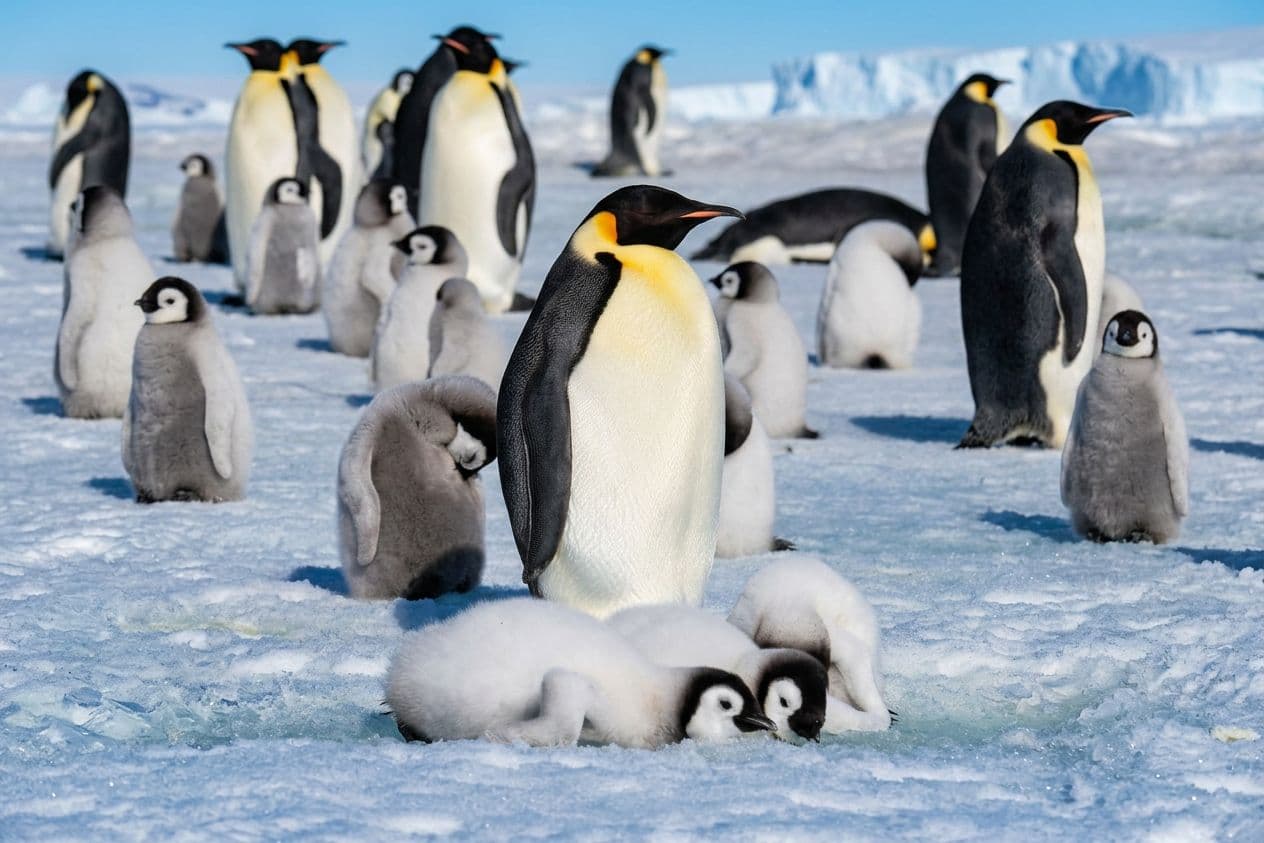
Walk barefoot on Antarctic ice for a few minutes and you'd lose your feet to frostbite. Emperor Penguins stand on ice for months with no devastating effects. Their secret lies in one of nature's most interesting bio solutions: counter-current heat exchange.
The blood vessels in their legs and feet are arranged in a special pattern. Warm arterial blood flowing from the body core toward the feet runs right alongside cold venous blood returning from the feet to the core. The vessels are so close that heat transfers between them.
This means the warm blood going to the feet is pre-cooled before it arrives, reducing heat loss to the ice. Simultaneously, the cold blood returning from the feet is pre-warmed before it reaches the core, preventing the return of ice-cold blood that would chill vital organs.
The result? Emperor Penguin feet maintain a temperature just above freezing—around 0-4°C—even when standing on ice that's -40°C. This minimizes heat loss while preventing frostbite. The feet never get warm, but they never freeze either.
The same system operates in their flippers. When swimming in water that's -1.8°C (Antarctic seawater can be colder than freshwater's freezing point due to salt), their flippers might only be a few degrees warmer, again minimizing heat loss to the environment.
While some other cold-climate animals use counter-current exchange, Emperor Penguins have perfected it to a degree to adapt to Antarctica's harsh climate conditions.
9. Unstable Foundation of Breeding on Sea
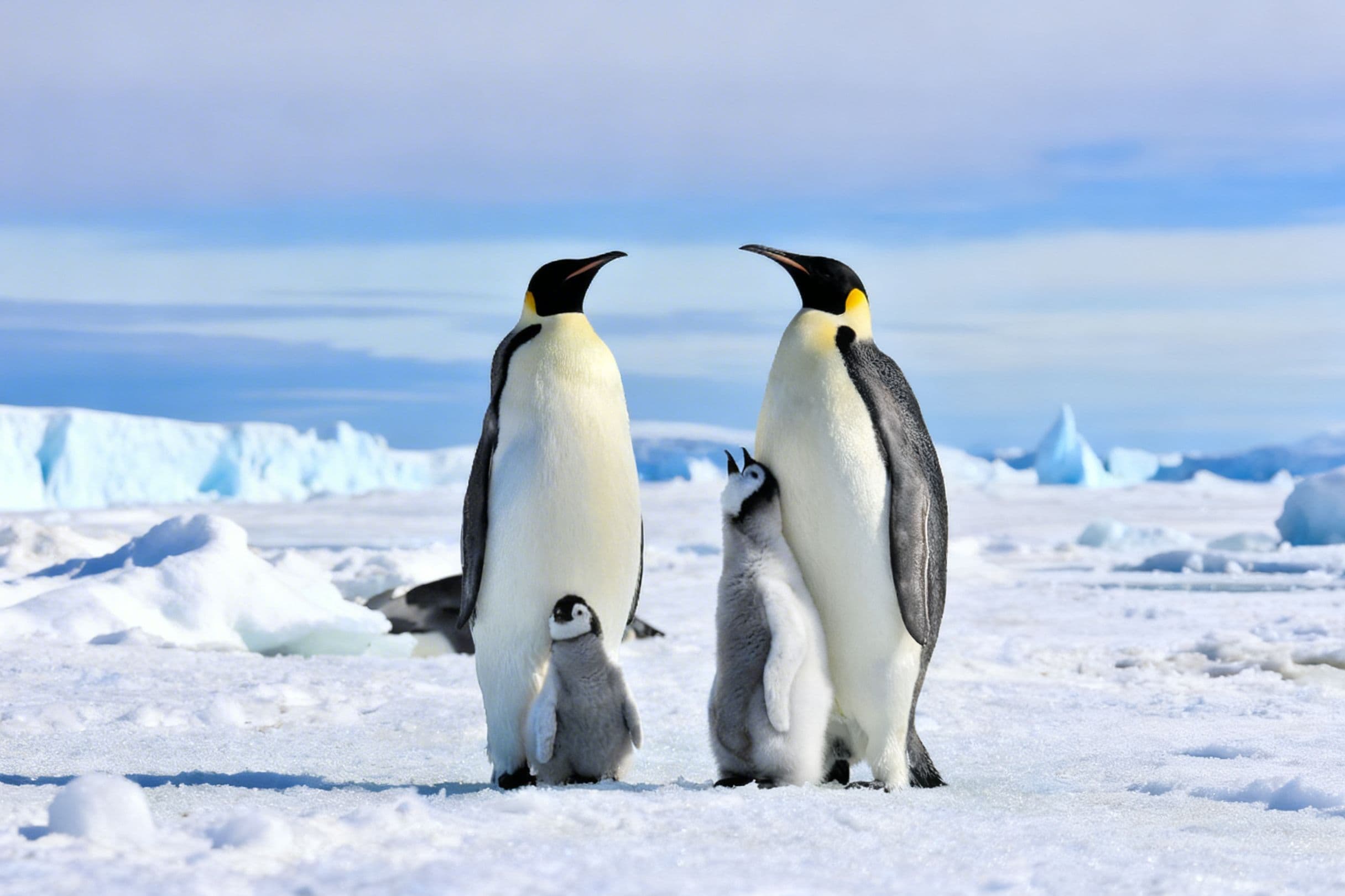
Most penguins nest on land—rocky shores, beaches, or burrows. Emperor Penguins breed on sea ice that's constantly moving, cracking, and potentially breaking apart beneath them.
This choice seems reckless until you understand the advantages. By breeding on sea ice, Emperor Penguins avoid land-based predators entirely. Antarctic land is home to skuas and giant petrels that raid nests, but these predators can't easily access colonies in the middle of stable sea ice.
Sea ice also provides direct access to feeding areas. When parents need to swap incubation duties, they're often just a few kilometers from open water rather than having to traverse steep, rocky terrain.
But the gamble is real. If the sea ice breaks up prematurely, before the chicks have grown waterproof feathers, an entire breeding group can be wiped out. Climate change is making this more common, with several colonies experiencing catastrophic failures in recent years when ice broke up too early.
The Emperors' ability to read ice conditions and select stable platforms is remarkable. Colonies return to the same general areas year after year, but the exact location shifts based on where the ice is most stable. How they assess ice stability—whether through visual cues, ice thickness, or past experience - remains partially mysterious.
10. Sexual Monomorphism and True Partnership
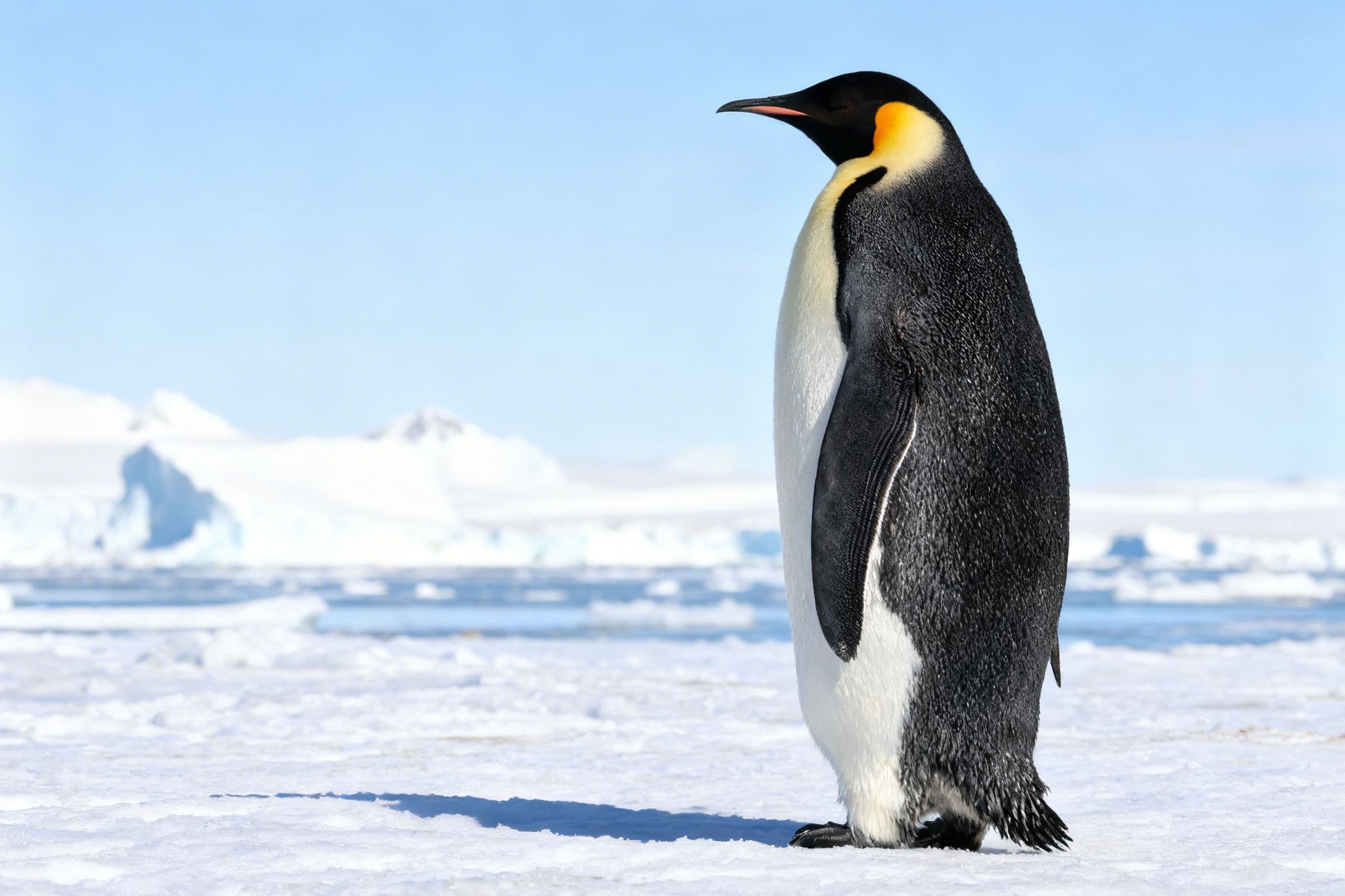
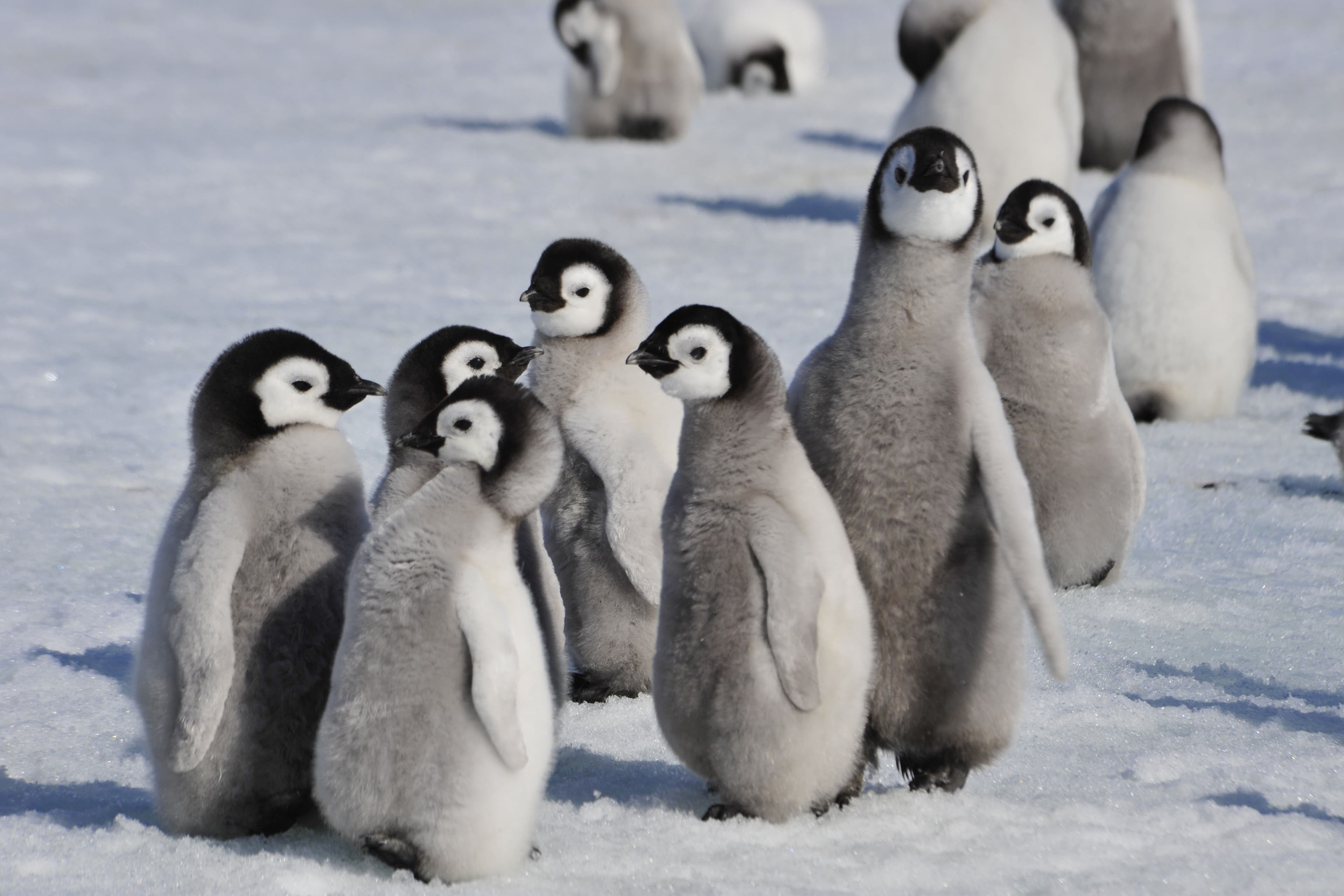
Unlike most birds where males are larger or more colorful than females, male and female Emperor Penguins are nearly identical. They're roughly the same size and share the same plumage, meaning the same black-and-white feather markings, making them nearly impossible for humans to tell apart.
This sexual monomorphism reflects something deeper: true biparental care where both parents invest equally and enormously in offspring. Both parents must be capable of fasting for months. Both must be able to dive deep to hunt. Both need to be large enough to incubate the eggs and protect and warm their chicks.
The breeding strategy is genuinely cooperative. The female lays the egg but then transfers all care to the male so she can recover her body condition. The male incubates while fasting for months. When the chick hatches, they trade places. Throughout the chick’s growth, they continue taking turns, with neither parent shirking responsibilities.
Compare this to many other penguin species where males are larger and more aggressive, defending territories and sometimes having less direct parental care. Emperor Penguins have environment is so demanding that only absolute cooperation allows creating a new generation.
The Emperor Difference
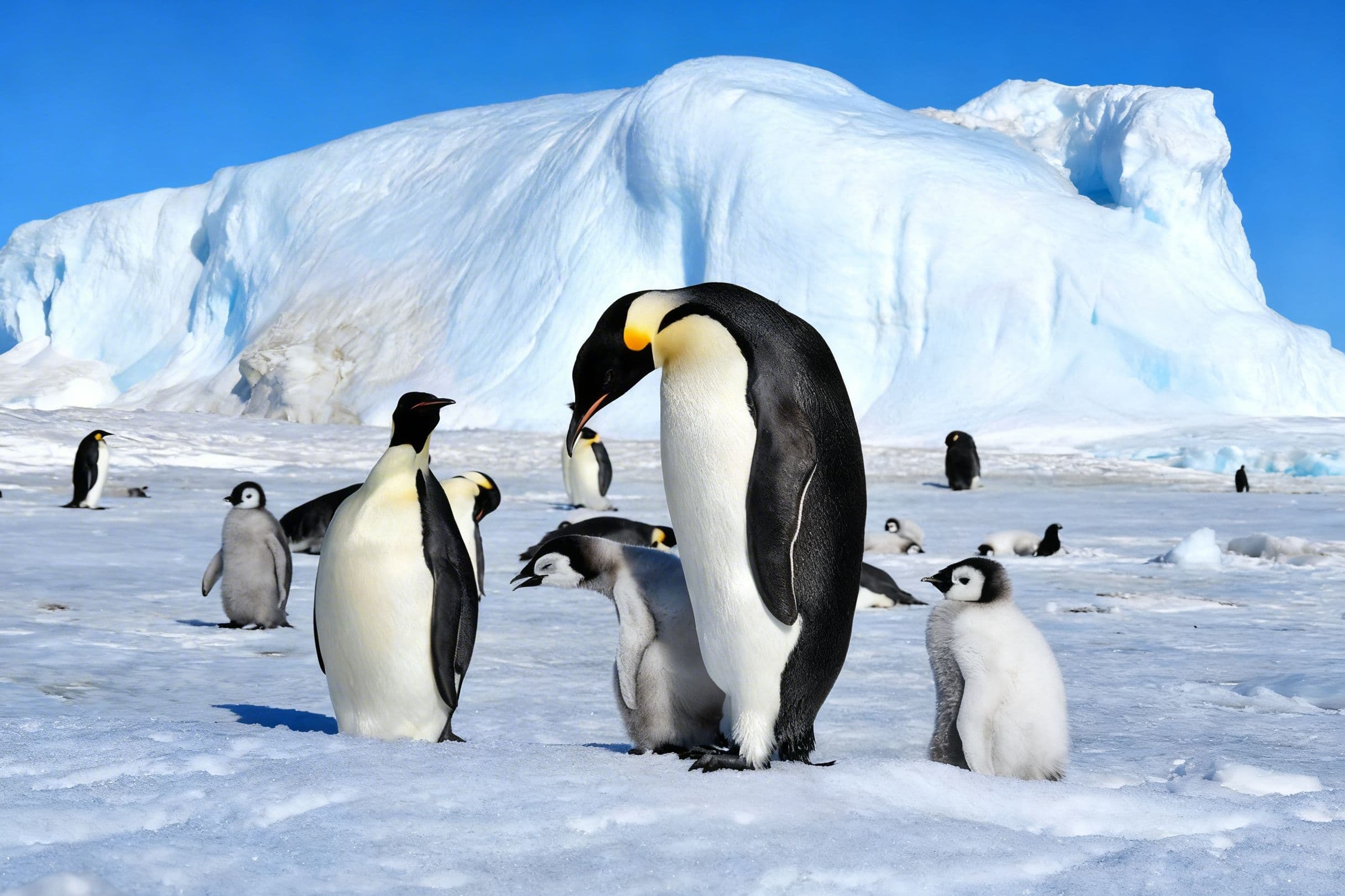
What makes Emperor Penguins unique isn't any single feature - it's how all these extraordinary traits combine into a package that allows them to thrive where nothing else can. They've pushed the boundaries of what's possible for birds, for divers, for parents, and for survivors. Standing on the ice in darkness, a male Emperor Penguin with an egg on his feet represents the culmination of millions of years of evolution optimizing for one goal: raise the next generation under the most extreme conditions Earth can offer.