Which Animals Live in Antarctica? A Complete Guide to Antarctic Wildlife
Discover the remarkable animals that call Antarctica home, from penguins and seals to whales and seabirds, and learn how they survive in Earth's most extreme environment.
Antarctica might look like a lifeless frozen desert, but beneath the ice and in the surrounding waters thrives an ecosystem adapted to the climate. The animals that call this continent home have evolved survival mechanisms to survive temperatures that plummet to -89°C, months of total darkness, and some of the fiercest storms on Earth.
What's truly remarkable is that despite these brutal conditions, Antarctica supports a diverse range of wildlife - from the iconic Emperor Penguin to massive blue whales, from tiny krill to leopard seals. Here's your complete guide to the animals that have conquered the world's most extreme continent.
Penguins: Antarctica's Most Famous Residents
When you think of Antarctica, you think of penguins. Four penguin species breed on the Antarctic continent itself, while several others inhabit the sub-Antarctic islands nearby.
Antarctic Breeding Species:
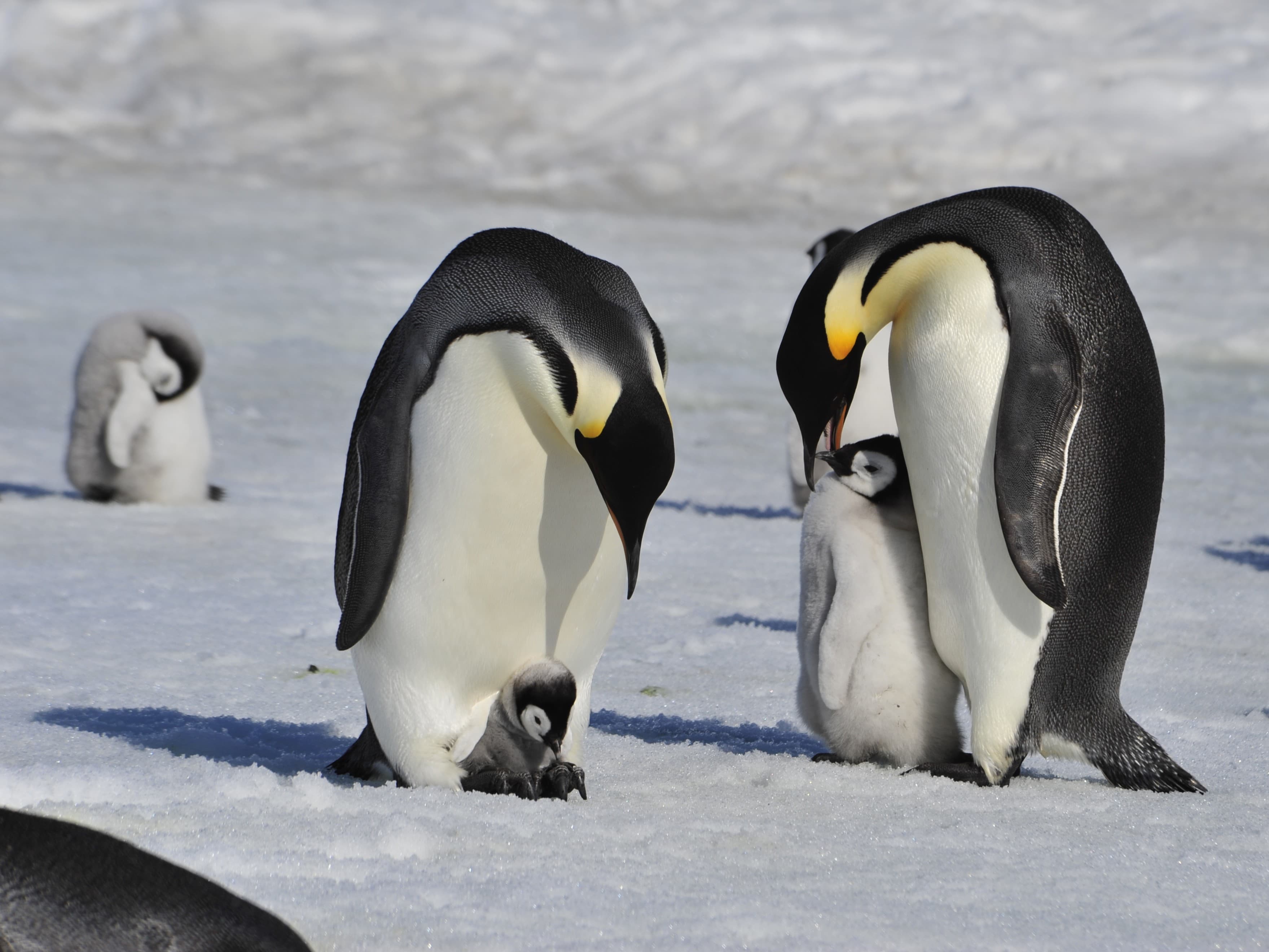
Emperor Penguins are the largest and most iconic, standing up to 122 cm tall. They're the only species that breeds during the Antarctic winter on sea ice, enduring months of darkness and temperatures below -40°C. Their breeding colonies can number in the thousands, with males incubating eggs on their feet while females hunt at sea.
Adélie Penguins are smaller black-and-white penguins with distinctive white rings around their eyes. They're one of only two penguin species that live exclusively on the Antarctic continent and build nests from stones on rocky shores. Adélies are incredibly numerous, with populations estimated at several million.
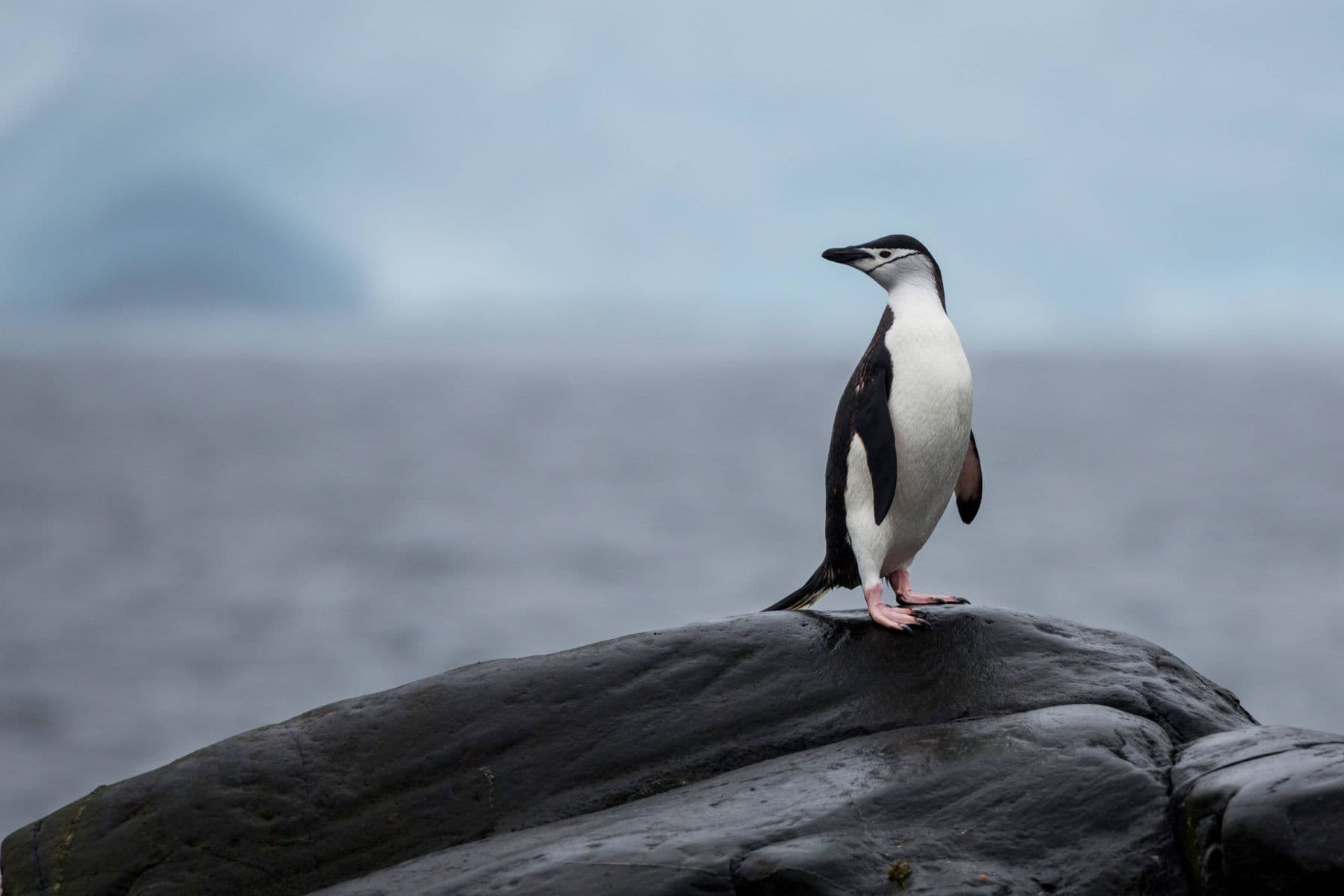
Chinstrap Penguins get their name from the thin black line running under their chin. They're skilled climbers, often nesting on steep, rocky slopes, and are known for their aggressive, highly territorial behavior. They prefer ice-free areas and are excellent swimmers.
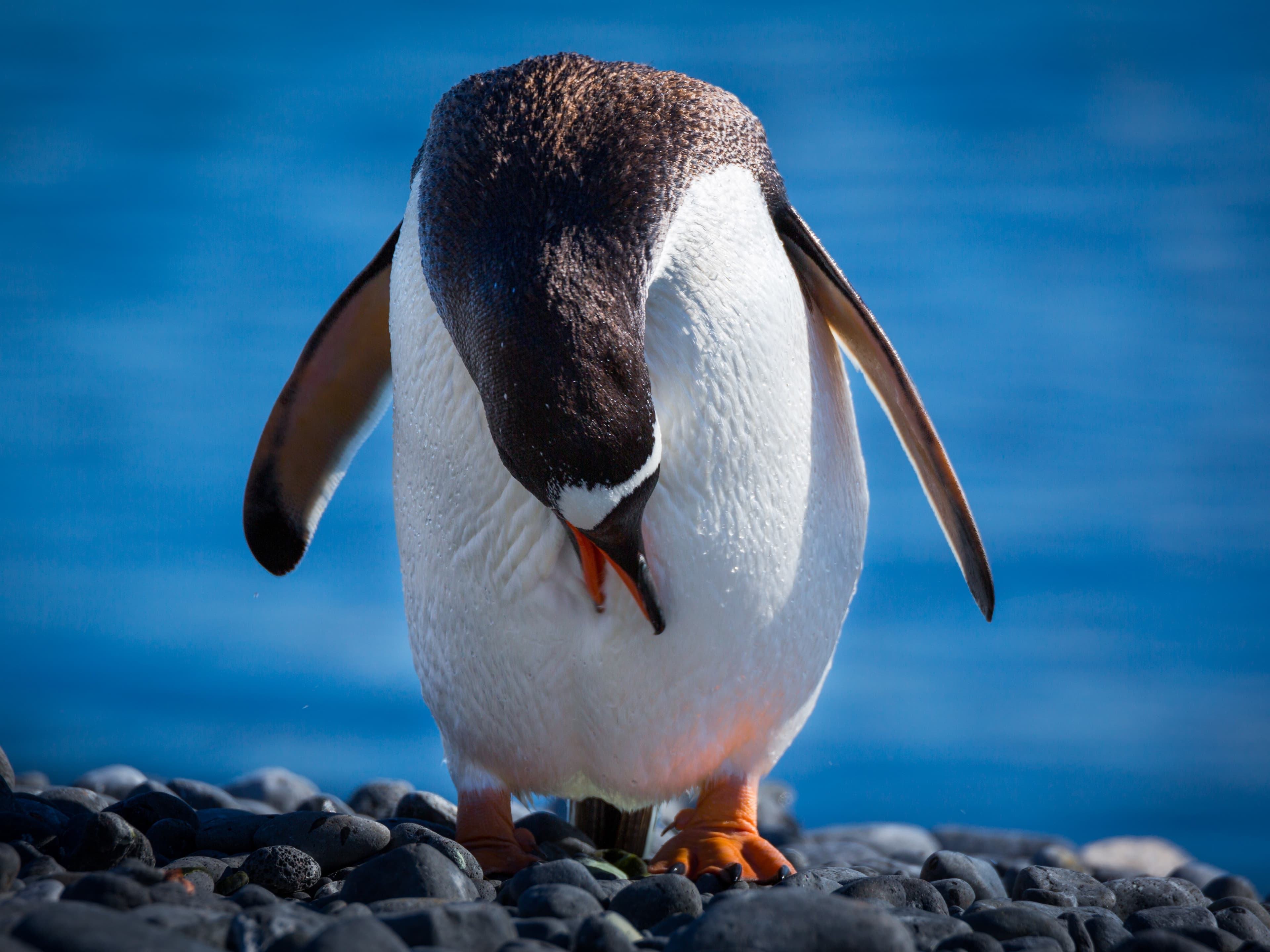
Gentoo Penguins are the species of speed in the penguin world, capable of swimming up to 36 km/h. They're recognizable by their bright orange-red bills and white stripe across their heads. Gentoos are adaptable, breeding both on the Antarctic Peninsula and sub-Antarctic islands.
Beyond the continent, sub-Antarctic islands host King Penguins, Macaroni Penguins, and Rockhopper Penguins, which thrive in the slightly milder conditions of the Southern Ocean islands.
Seals: Masters of Ice and Water
Six seal species inhabit Antarctic waters, and they're all members of the "true seal" family—meaning they can't rotate their rear flippers forward to walk on land like sea lions. Antarctic seals are perfectly adapted for life in frigid waters and on ice.
Weddell Seals are the southernmost breeding mammals on Earth, living farther south than any other seal species. They can dive to depths of 600 meters and stay underwater for over an hour. To survive under the frozen Antarctic sea, Weddell seals grind away at the ice with their teeth to keep breathing holes open - a harsh trade-off that slowly erodes their teeth but ensures their survival.
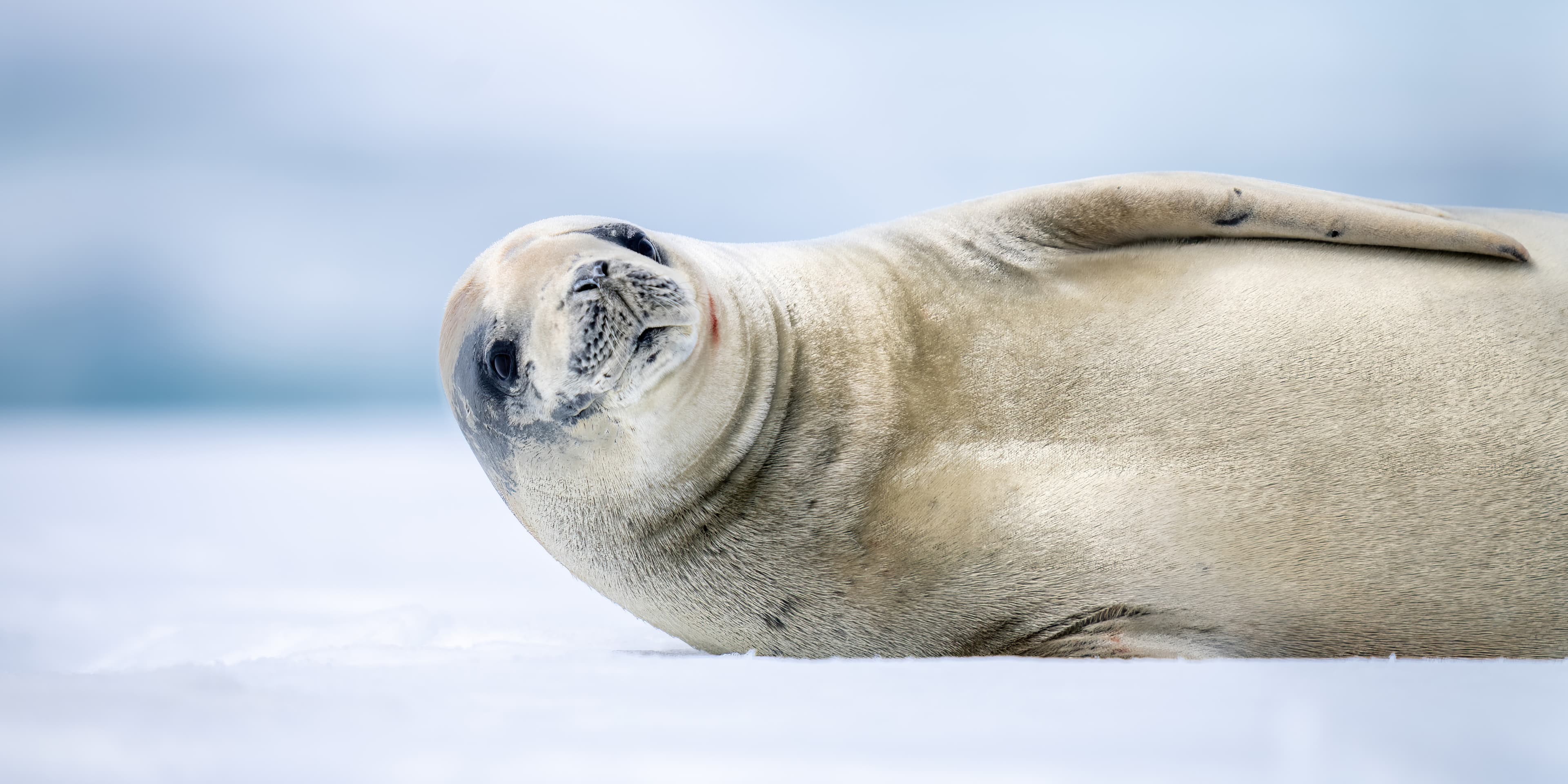
Crabeater Seals are the most numerous seal species on Earth, with populations estimated between 7-15 million individuals. Despite their name, they don't eat crabs - they feed almost exclusively on Antarctic krill, using uniquely shaped teeth that interlock to filter small crustaceans from the water.
Leopard Seals are the apex predators of Antarctic seals, recognizable by their spotted coats and long, almost snake-like heads. They hunt penguins, other seals, fish, and squid. Leopard seals are solitary hunters that patrol ice edges, waiting for penguins to enter the water. They're powerful and aggressive, occasionally reaching lengths of 3.5 meters.
Ross Seals are the rarest Antarctic seal, with estimated populations under 250,000. They're deep divers that feed primarily on squid and fish in the dense pack ice. Ross seals are rarely seen by humans due to their preference for remote, ice-covered waters.
Southern Elephant Seals are the largest seals in the world. Males can weigh up to 4,000 kg - about the weight of a small car. They breed on sub-Antarctic islands but hunt in Antarctic waters, diving to extraordinary depths of over 2,000 meters in search of squid and fish.
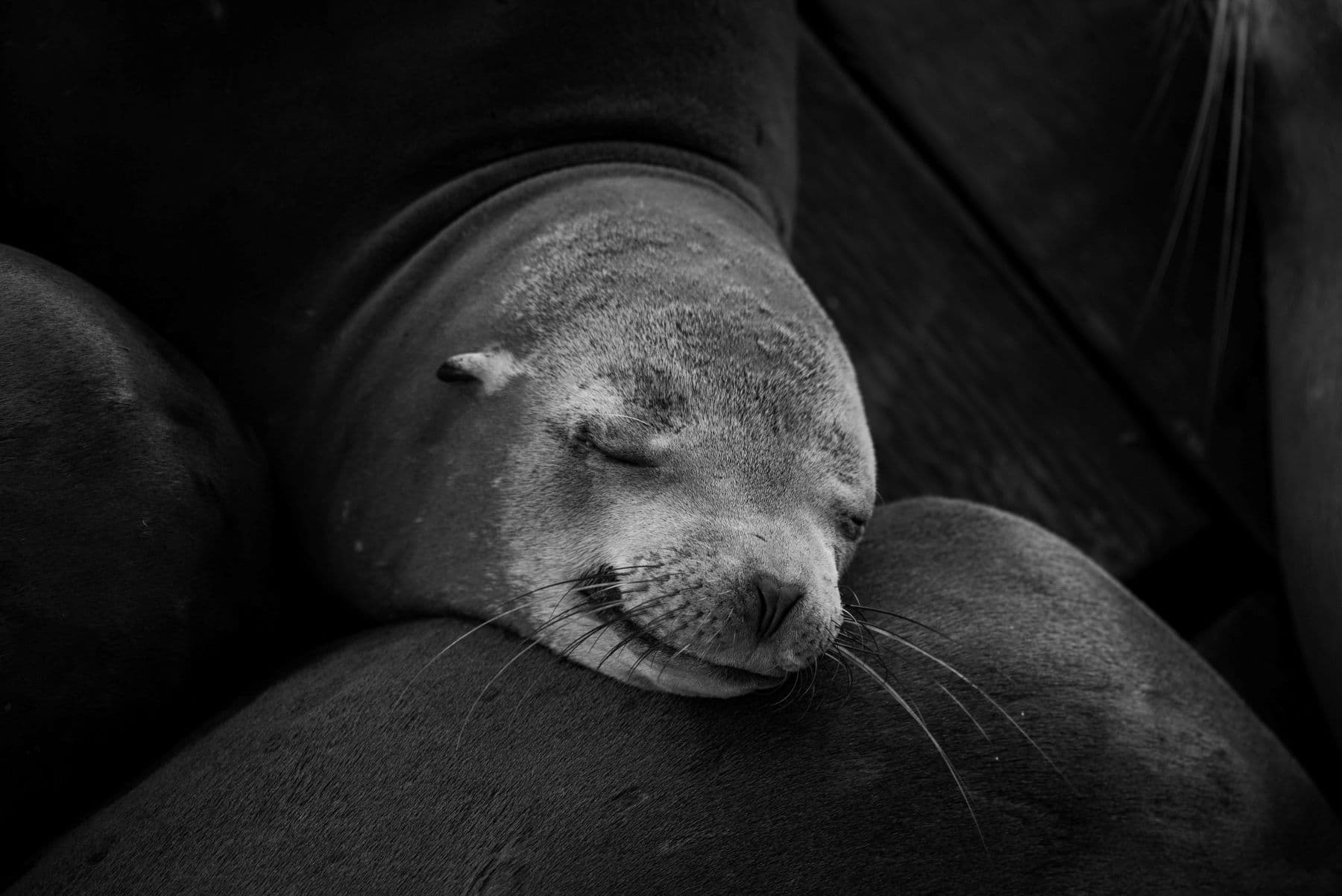
Antarctic Fur Seals were nearly hunted to extinction in the 19th century but have made a remarkable recovery. They breed primarily on sub-Antarctic islands and are the only Antarctic seal species with visible external ear flaps - small, fur-covered ears that stick out from the sides of their heads. Unlike other Antarctic seals, fur seals can rotate their rear flippers and walk on land.
Whales: Giants of the Southern Ocean
Antarctic waters are among the most productive on Earth, supporting massive populations of whales that migrate here to feed during the austral summer - the Southern Hemisphere's summer, from roughly December to February. The upwelling of nutrient-rich waters creates enormous blooms of krill, which in turn support the largest animals ever to exist.
Blue Whales are the largest animals on Earth, reaching lengths of up to 30 meters and weighing up to 200 tons. They migrate to Antarctic waters during summer to feed on the vast swarms of krill, consuming up to 4 tons of krill per day. Their calls are among the loudest sounds produced by any animal.
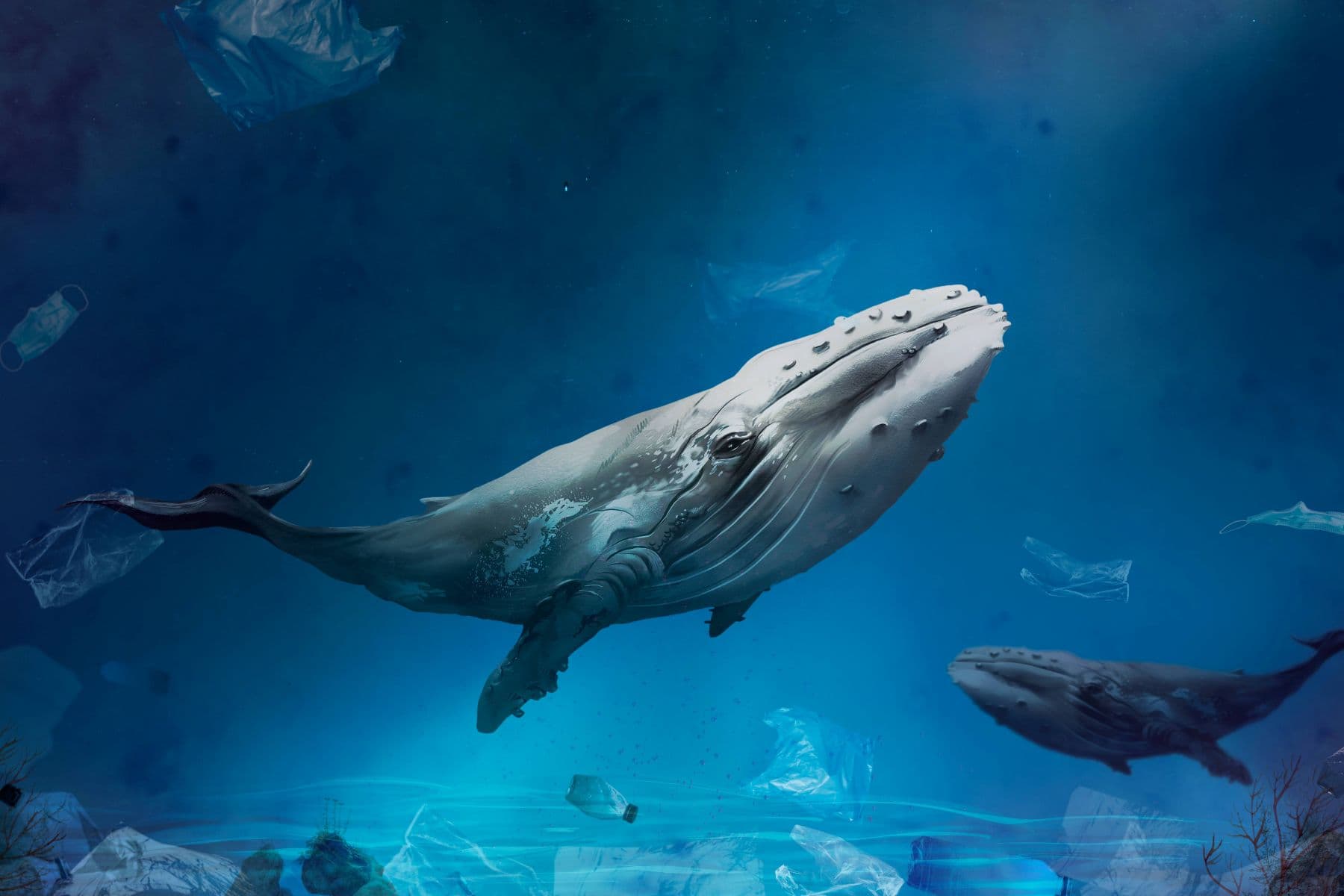
Humpback Whales are known for their acrobatic breaching behavior and complex sounds. They travel up to 25,000 km annually, migrating from tropical breeding grounds to Antarctic feeding waters. Humpbacks feed on krill and small fish, releasing rings of bubbles beneath their prey to trap them in a shrinking circle before surging up with mouths wide open.
Minke Whales are the smallest baleen whales in Antarctic waters. Instead of teeth, they have long, brush-like plates made of keratin that hang from their upper jaws, allowing them to strain krill and small prey from the water. They typically grow to 7-10 meters in length. They're the most common whale species in Antarctica and can often be seen near the ice edge. Minkes are curious and sometimes approach boats and research stations.
Orcas (Killer Whales) are actually the largest members of the dolphin family. Antarctic orcas have developed specialized hunting techniques for different prey. Some populations hunt seals by creating waves to wash them off ice floes, while others specialize in hunting penguins or fish.
Sperm Whales are the largest toothed whales, with males reaching up to 18 meters in length. They are remarkable deep divers, hunting giant squid in Antarctic waters and capable of descending beyond 2,000 meters for over an hour. Their powerful echolocation clicks - used to navigate and locate prey in the darkness - are the loudest biological sounds produced by any animal.”
Fin Whales, Sei Whales, and Southern Right Whales also visit Antarctic waters seasonally to feed on abundant krill and copepods.
Seabirds: Masters of Flight and Sea
Antarctica and the Southern Ocean host numerous seabird species that have adapted to life in harsh polar conditions. Many spend most of their lives at sea, only coming to land to breed.
Albatrosses are the largest flying birds, with wandering albatrosses having wingspans reaching 3.5 meters. They master a flight technique called dynamic soaring, gliding between layers of wind to cover enormous distances while barely flapping their wings. Several albatross species breed on sub-Antarctic islands and feed in Antarctic waters.
Petrels include numerous species from tiny storm petrels to giant petrels. Southern giant petrels are scavengers and predators that feed on carrion, fish, squid, and even penguin chicks. Snow petrels are pure white birds that breed farther south than any other bird except Emperor Penguins.
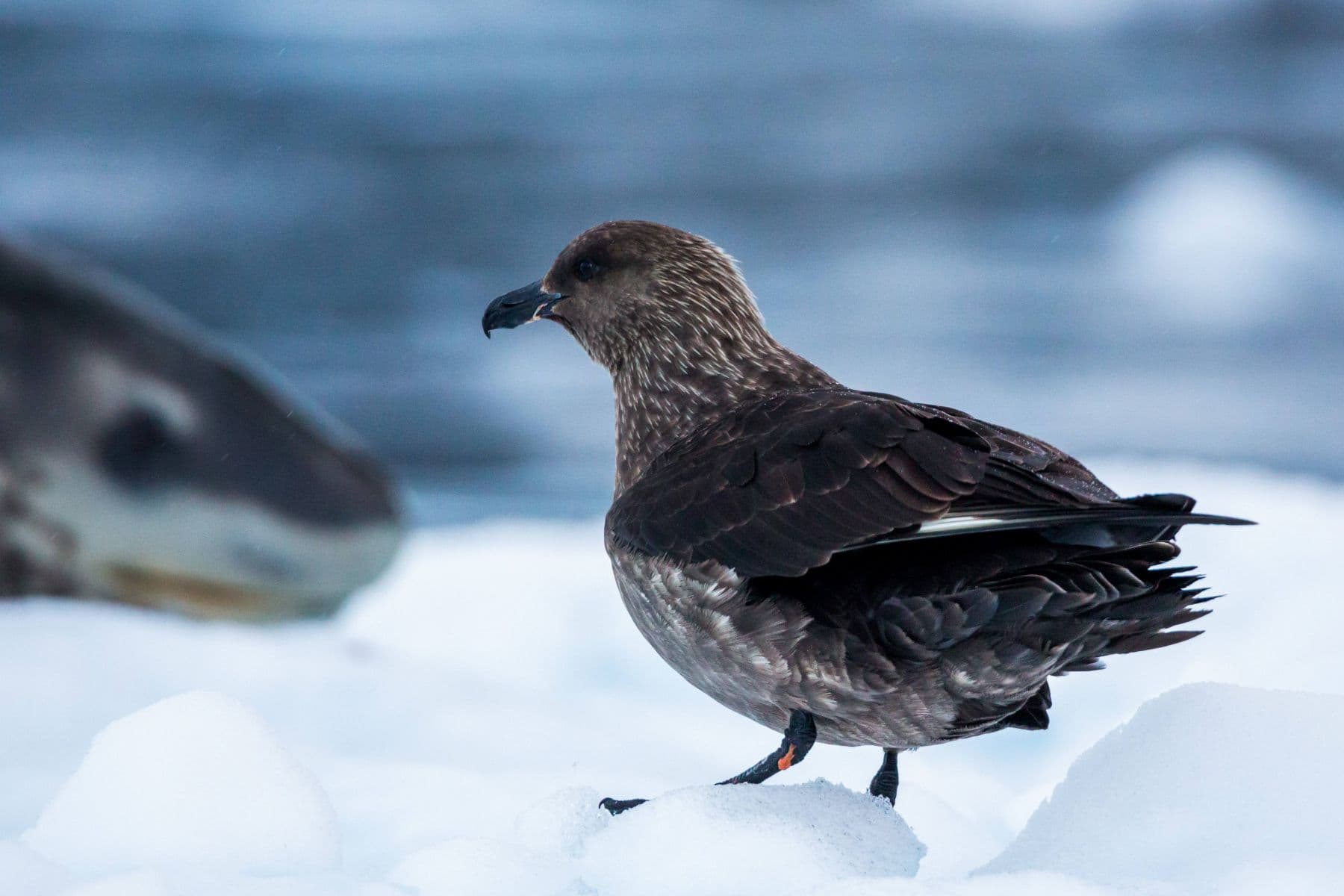
Skuas are aggressive predatory birds that nest on Antarctic shores. They're opportunistic feeders, stealing food from other birds, raiding penguin colonies for eggs and chicks, and scavenging from dead seals. Their boldness and aggression make them formidable despite their relatively small size.
Antarctic Terns are graceful seabirds that perform some of the longest migrations on Earth, traveling from Arctic to Antarctic and back each year - a round trip of over 70,000 km.
Cormorants, including the Antarctic shag (also known as the blue-eyed cormorant), are excellent divers that hunt fish in shallow Antarctic waters. Unlike most seabirds, cormorants' feathers aren't fully waterproof, so they're often seen standing with wings spread to dry.
Invertebrates: The Foundation of Antarctic Life
While less visible than penguins and whales, invertebrates form the foundation of the Antarctic ecosystem.
Antarctic Krill are small shrimp-like crustaceans, typically 6 cm long, but they're arguably the most important animal in the Antarctic ecosystem. Krill populations in the Southern Ocean are estimated at 500 million tons, forming massive swarms that can turn the ocean pink. They feed on phytoplankton and in turn feed everything from fish to blue whales.
Squid are important prey for many Antarctic predators. The colossal squid, found in deep Antarctic waters, is the largest invertebrate on Earth, with eyes the size of dinner plates. Giant squid and numerous smaller squid species also inhabit these waters.
Sea Spiders in Antarctic waters can grow much larger than related species living in warmer regions, with leg spans reaching 30 cm. This phenomenon, called polar gigantism, occurs in several Antarctic invertebrate groups - animals without backbones.
Antarctic Icefish are remarkable for being the only vertebrates without red blood cells or hemoglobin. Their blood is clear, and they absorb oxygen directly through their skin and from dissolved oxygen in their blood plasma - a remarkable evolutionary trait that works in Antarctica's oxygen-rich waters.
Fish: Cold-Blooded Food
Antarctic fish have evolved extraordinary adaptations to survive in waters that hover around -1.8°C.
Antarctic Toothfish commercially known as Chilean sea bass - are large, slow-growing fish that can live for more than 50 years and reach over 2 meters in length. They're important predators in the Antarctic ecosystem and unfortunately a target of illegal fishing.
Notothenioid Fish make up the majority of Antarctic fish diversity. Many species produce antifreeze glycoproteins that prevent ice crystals from forming in their blood and tissues - a biological antifreeze that allows them to survive in below-freezing water.
Lanternfish are small bioluminescent fish that undertake massive vertical migrations each day, rising to surface waters at night to feed on zooplankton and descending to depth during the day. They're important prey for many seabirds, seals, and penguins.
Land Animals: The Few, The Hardy
True terrestrial animals in Antarctica are limited to invertebrates. No reptiles, amphibians, or land mammals live on the continent.
Mites and Springtails are the largest purely terrestrial animals in Antarctica, measuring just a few millimeters. These tiny arthropods can survive being frozen solid and have antifreeze proteins in their bodies. They feed on algae, bacteria, and fungi.
Midges include the Antarctic midge (Belgica antarctica), which at 2-6 mm long is the largest purely terrestrial animal on the Antarctic continent. These wingless flies spend most of their two-year life cycle frozen, with only a few weeks of active feeding and reproduction.
Antarctic Animals
Antarctic wildlife exists in a delicate balance that's increasingly threatened by climate change, ocean acidification, and human activities. Warming temperatures are shrinking sea ice, affecting species like Emperor Penguins and Adélies that depend on stable ice platforms. Ocean warming impacts krill populations, which ripples through the entire food web.
Yet these animals also demonstrate nature's remarkable ability to adapt. From whales that travel hemispheres to feed on Antarctic abundance, to tiny mites that freeze solid and revive, Antarctic wildlife shows us that everything possible within balanced eco-system.