How Long Do Penguins Live? Penguin Lifespan Explained
Discover how long different penguin species live in the wild and captivity. From 6-year Little Blues to 40-year Emperors, explore what affects penguin lifespan.
Most penguins live between 15 and 20 years in the wild, though lifespan varies widely by species. The smallest penguins may live just 6-7 years, while the largest can survive for decades.
Quick answer: Most penguins live 15-20 years in the wild. Smaller species live 6-10 years, while larger species like Emperor Penguins can reach 30-40 years under ideal conditions. Captive penguins often live longer due to consistent food supply and veterinary care.
Research on penguin lifespan reveals relation to the patterns such as size, environment, and survival strategies.
Penguin Lifespan by Species
Emperor Penguin
Average lifespan: 15-20 years
Maximum recorded: Up to 40 years (rare)
King Penguin
Average lifespan: 15-20 years
Maximum recorded: 30+ years
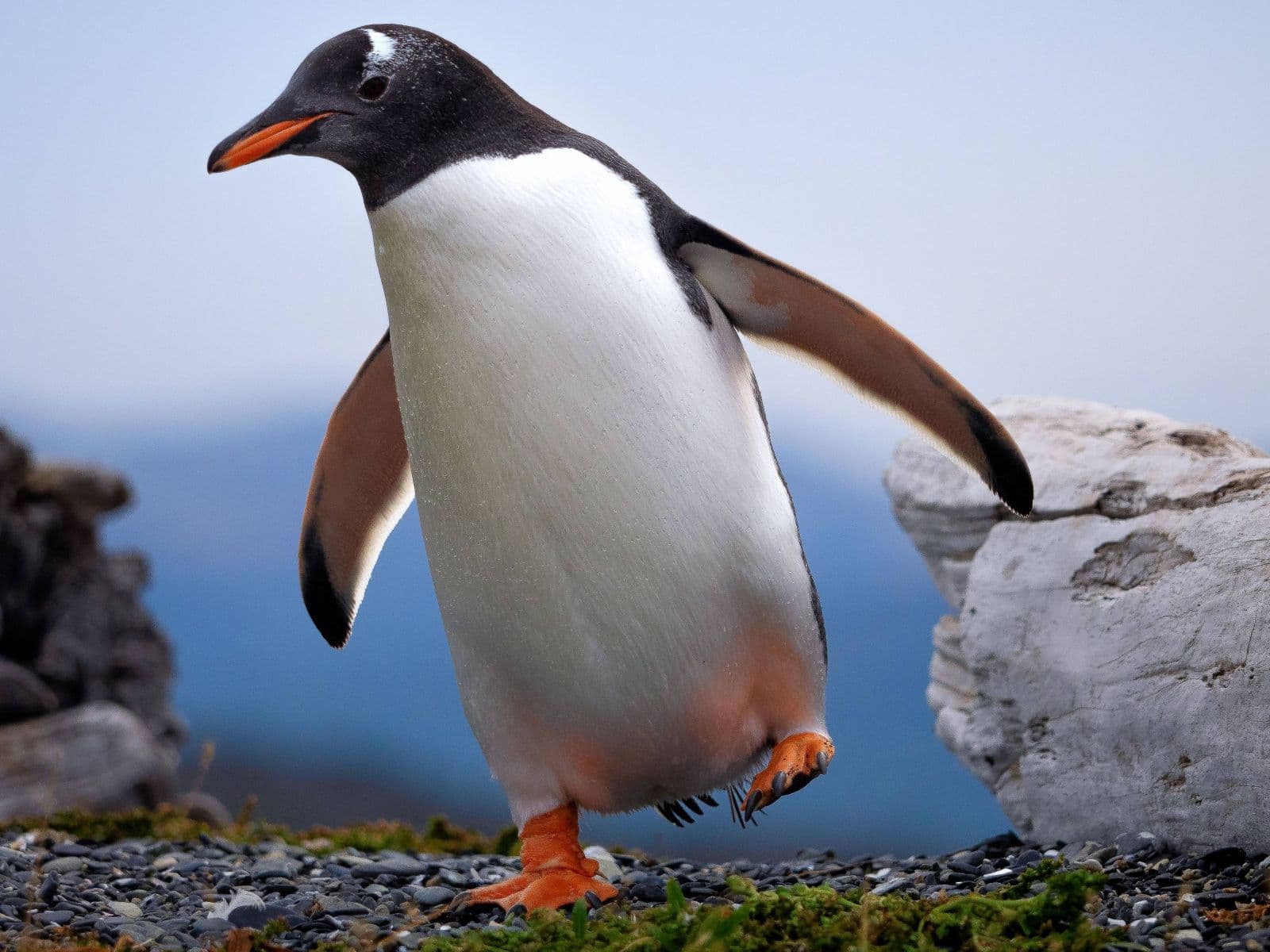
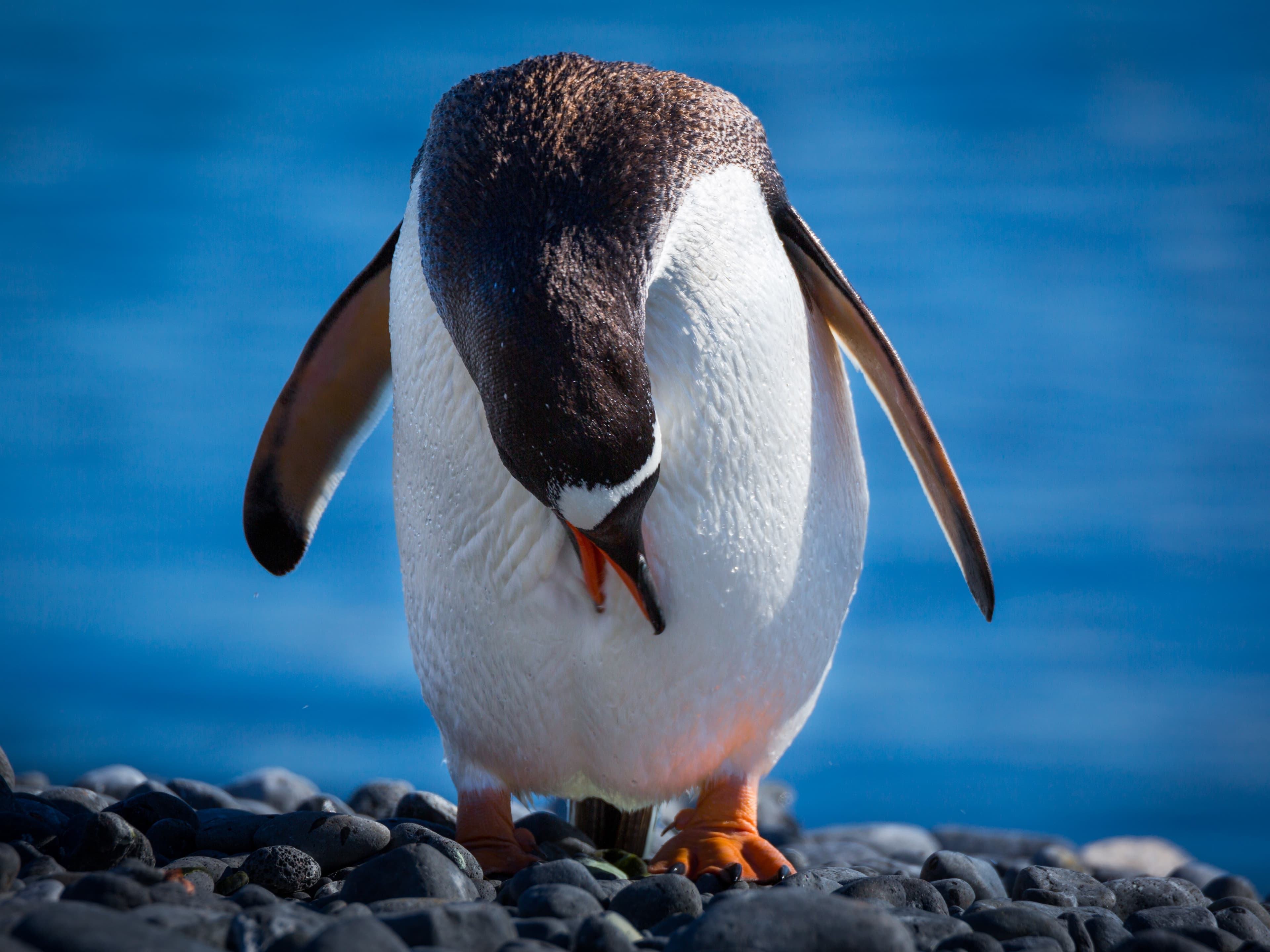
Gentoo Penguin
Average lifespan: 15-20 years
Maximum recorded: Around 30 years
Adélie Penguin
Average lifespan: 10-20 years
Maximum recorded: Around 20 years
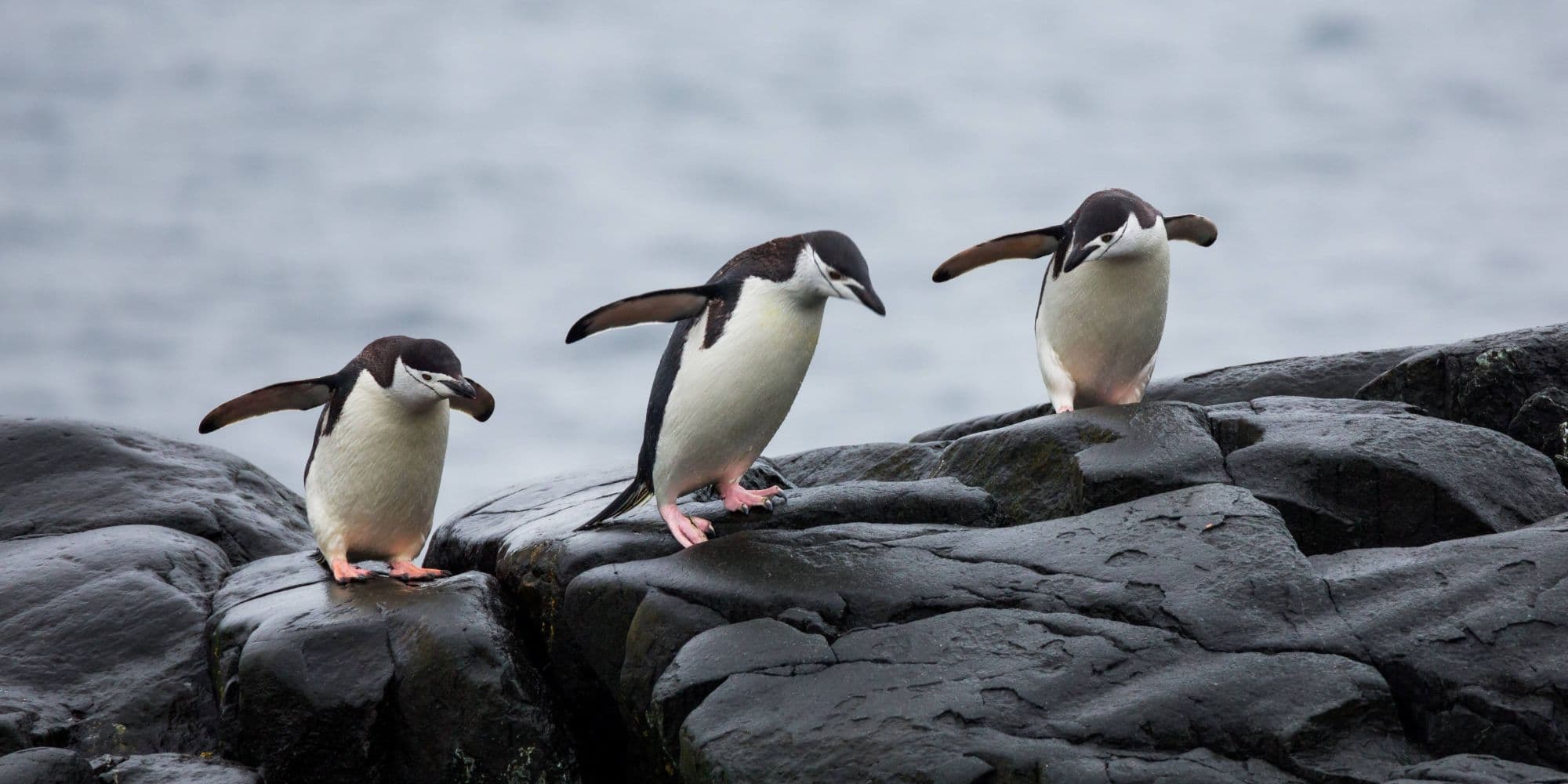
Chinstrap Penguin
Average lifespan: 15-20 years
Maximum recorded: Around 20 years
Magellanic Penguin
Average lifespan: 15-20 years
Maximum recorded: Around 25 years
African Penguin
Average lifespan: 10-15 years
Maximum recorded: Around 27 years
Little Blue Penguin
Average lifespan: 6-7 years
Maximum recorded: 10-15 years
Yellow-eyed Penguin
Average lifespan: 8-10 years
Maximum recorded: 20+ years
The Size-Lifespan Connection
One of the clearest patterns in penguin longevity is that larger penguins generally live longer than smaller ones.
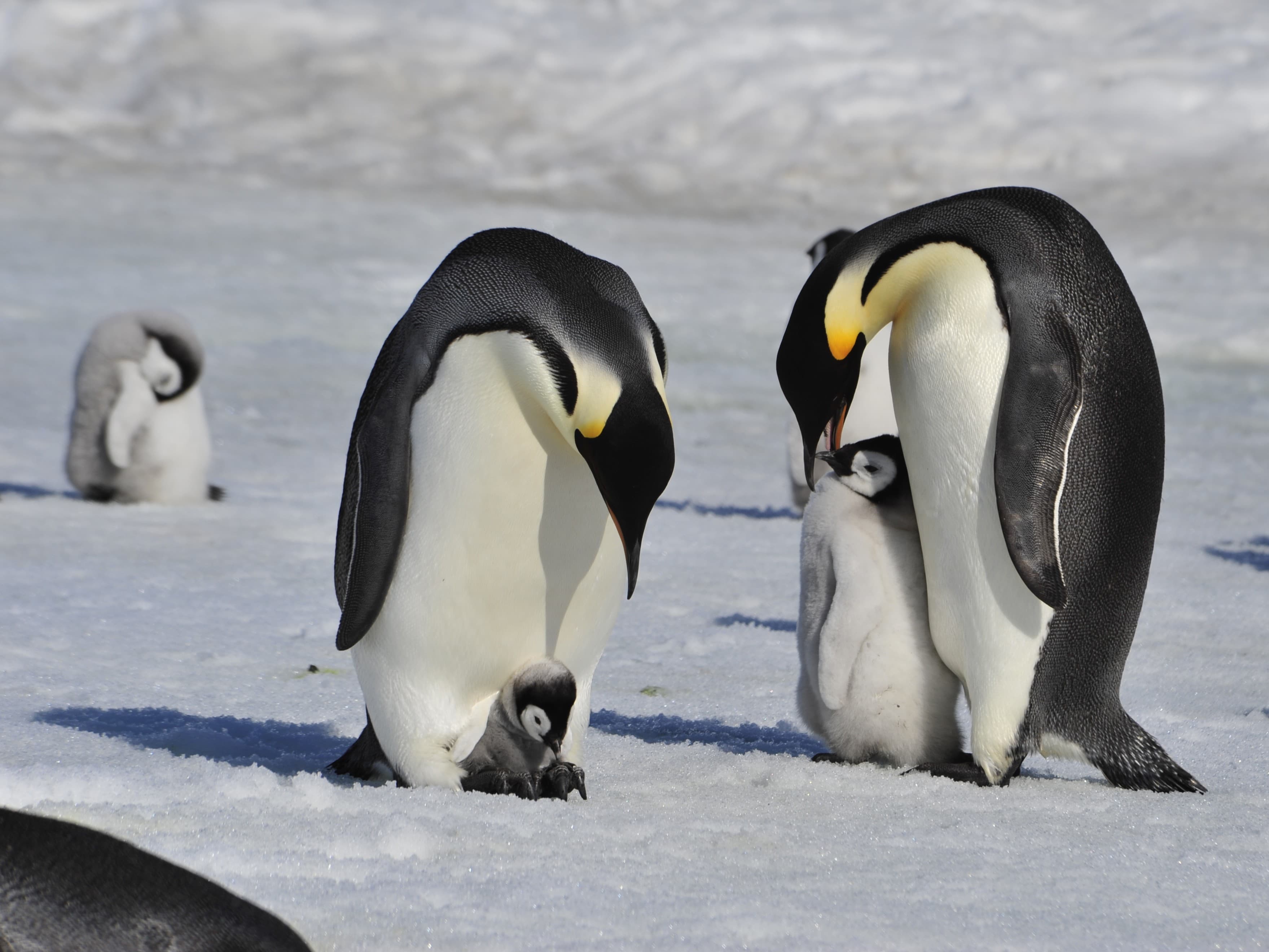
Emperor Penguins, the largest species at up to 45 kg, can live 20 years on average with exceptional individuals reaching 40 years. Their massive size, extensive fat reserves, and ability to endure extreme conditions contribute to their longevity.
King Penguins, the second-largest species, similarly live 15-20 years on average with maximum lifespans around 30 years.
At the other end, Little Blue Penguins - the smallest species at just 1 kg—typically live only 6-7 years in the wild, with exceptional individuals reaching 10 years.
This pattern mirrors a general biological principle: larger animals tend to live longer. Larger body size correlates with slower metabolism, later sexual maturity, and different predation pressures—all factors influencing lifespan.
How Long Do Emperor Penguins Live?
Emperor Penguins are the longest-lived penguin species. In the wild, they average 15-20 years, though banding studies have documented individuals living well into their 30s. The oldest confirmed Emperor Penguin reached over 40 years, though such extreme longevity is rare.
Their impressive lifespan reflects their size, robust physiology, and the relatively low predation pressure they face as adults in the Antarctic. Young Emperors face high mortality, but those reaching adulthood have excellent survival prospects.
Do Penguins Live Longer in Zoos?
Yes, penguins in zoos and aquariums typically live significantly longer than their wild counterparts - often 50% longer or more.
In the wild, penguins face constant survival challenges: hunting for food, avoiding predators like leopard seals and orcas, surviving harsh weather, and dealing with diseases and parasites.
In well-managed facilities, these pressures disappear. Penguins receive consistent high-quality food, veterinary care, and attacks from predators. The result? Many captive penguins live well beyond typical wild lifespans.
Wild Little Blue Penguins average 6-7 years, while captive individuals commonly reach 10-15 years. African Penguins in zoos have lived past 30 years, compared to their 10-15 year wild average.
This doesn't mean captivity is inherently "better" from morality point of view. in the Wild penguins live full, natural lives with behaviors captive environments can't replicate. But it demonstrates the huge influence environmental factors can have.
What Limits Penguin Lifespan?
Predation and Starvation
Predators are a major cause of mortality. Leopard seals, orcas, sea lions, and sharks hunt penguins in water. On land, skuas and giant petrels prey on eggs and chicks. Studies show 50-90% of chicks die before reaching adulthood.
Starvation is particularly significant during breeding season when parents balance their own survival with feeding chicks. Years with poor fish or krill abundance lead to widespread failures. Climate events like El Niño can devastate populations when warm waters displace cold one.
Disease and Human Impact
Avian diseases, parasites, oil spills, fishing net entanglement, and habitat destruction all reduce lifespans. African Penguins, critically endangered, face shortened lives due to these combined pressures.
Environmental Extremes
Unseasonable storms kill chicks before they develop waterproof feathers. Heat waves affect temperate species. Ice conditions that break up too early cause breeding failures.
How Scientists Determine Penguin Age
Banding studies are the primary method. Scientists place uniquely numbered bands on penguin flippers, allowing individual identification when recaptured or observed. By tracking banded birds over decades, researchers determine lifespans.
The oldest recorded penguins have been tracked for 30-40 years, providing concrete evidence of their longevity potential.
Physical indicators provide rough estimates - young penguins have different feather plumage than adults, though exact aging beyond "adult" requires banding data.
Life Stages: From Chick to Adult
Chick stage (0-1 year): The most dangerous period. Survival rates vary from 10-50% depending on species and conditions.
Juvenile stage (1-3 years): Young penguins learn to hunt independently. Mortality remains high as inexperienced hunters struggle.
Adult stage (3+ years): Sexual maturity arrives at different ages. Experienced breeders have the highest success rates, with some remaining vigorous into their 20s or 30s.
Do Penguins Die of Old Age?
In the wild, very few penguins actually die of old age. Most die from predation, starvation, disease, or environmental factors long before reaching their maximum potential lifespan. This is why average lifespans are much lower than maximum recorded ages. While Emperors can theoretically live 40 years, most die from external causes long before.
In captivity, where threats are minimized, more penguins reach ages where biological aging becomes limiting. Captive penguins in their 20s and 30s may show slower movement and reduced breeding success.
What This Means for Conservation
Long-lived species with delayed reproduction (like Emperors and Kings) are particularly vulnerable to population declines. If adult survival declines from climate change or overfishing, populations can't quickly recover.
Conservation strategies must protect adult survival for long-lived species, while maintaining consistent breeding habitat matters more for species with shorter lifespans.
The Bottom Line
How long do penguins live? Most live 15-20 years in the wild under good conditions. The smallest penguins live shortest (6-10 years), while the largest can reach 20-40 years.
But these numbers only tell part of the story. Most penguins face daily survival challenges preventing them from reaching maximum potential age. Attacks, hunger, and brutal weather mean most penguins never get close to the age their bodies are actually capable of.