Emperor Penguins: Masters of the Antarctic Winter
Discover the incredible survival strategies of Emperor Penguins, the largest penguin species that thrives in Antarctica's harshest conditions through remarkable adaptations and behaviors.
Standing around 120cm (4 feet tall) on the frozen land of Antarctica, Emperor penguins represent one of nature's most remarkable success stories. These extraordinary birds have adapted what might be Earth's most unforgiving environment, thriving where temperatures plummet to -40°C.
What makes these penguins so special isn't just their ability to survive in such extreme conditions - people are facinated how they look and the unique social bahaviour they display. Let's explore some of the most fascinating traits and teamwork that Emperor penguins are known for.
The Largest Penguin on Earth
Emperor Penguins (Aptenodytes forsteri) are by far the world's largest penguin species. Adults stand between 100-130 cm tall and can weigh up to 45 kg, though their weight fluctuates dramatically throughout the year depending on breeding cycles and food availability.
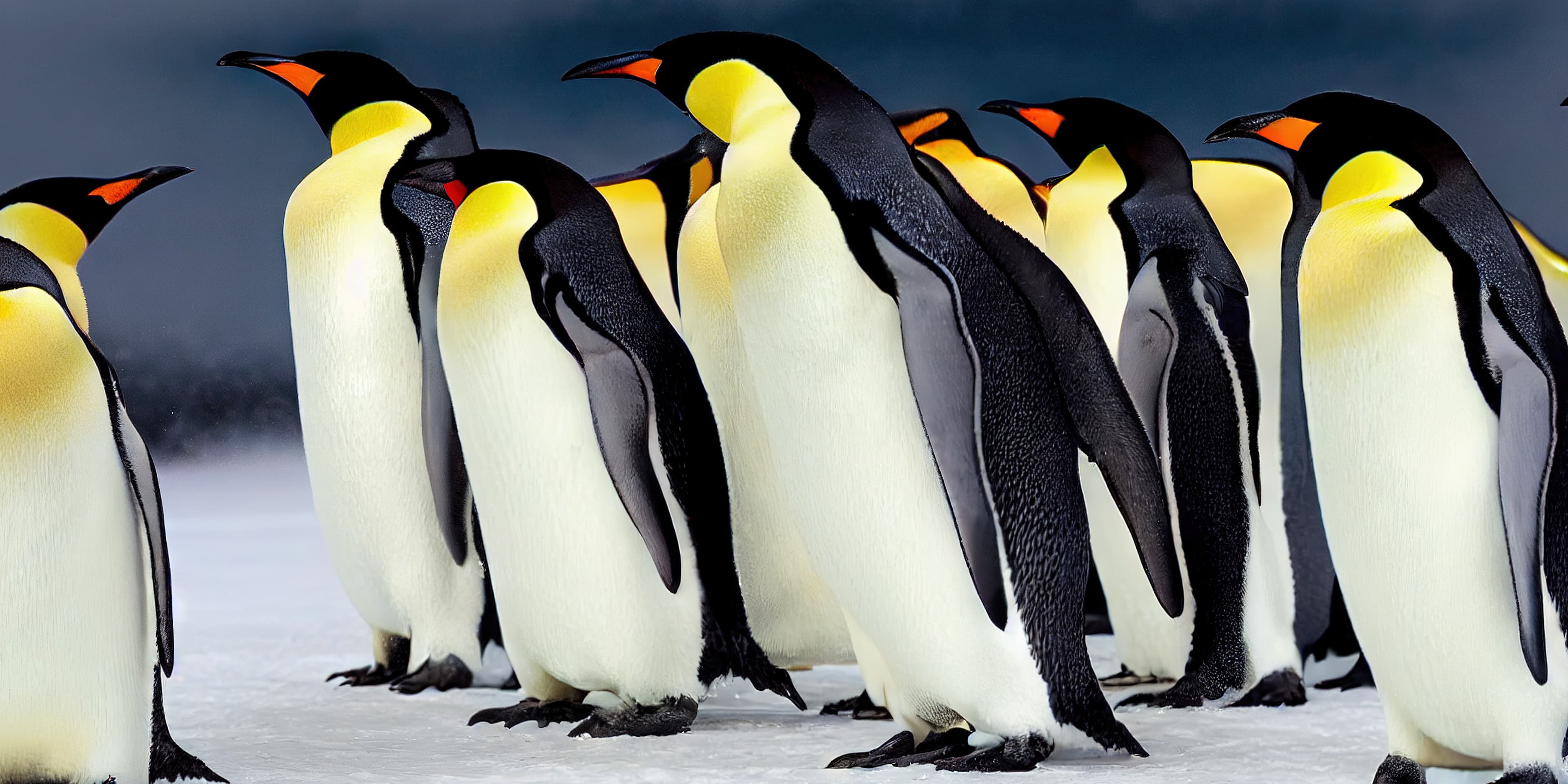
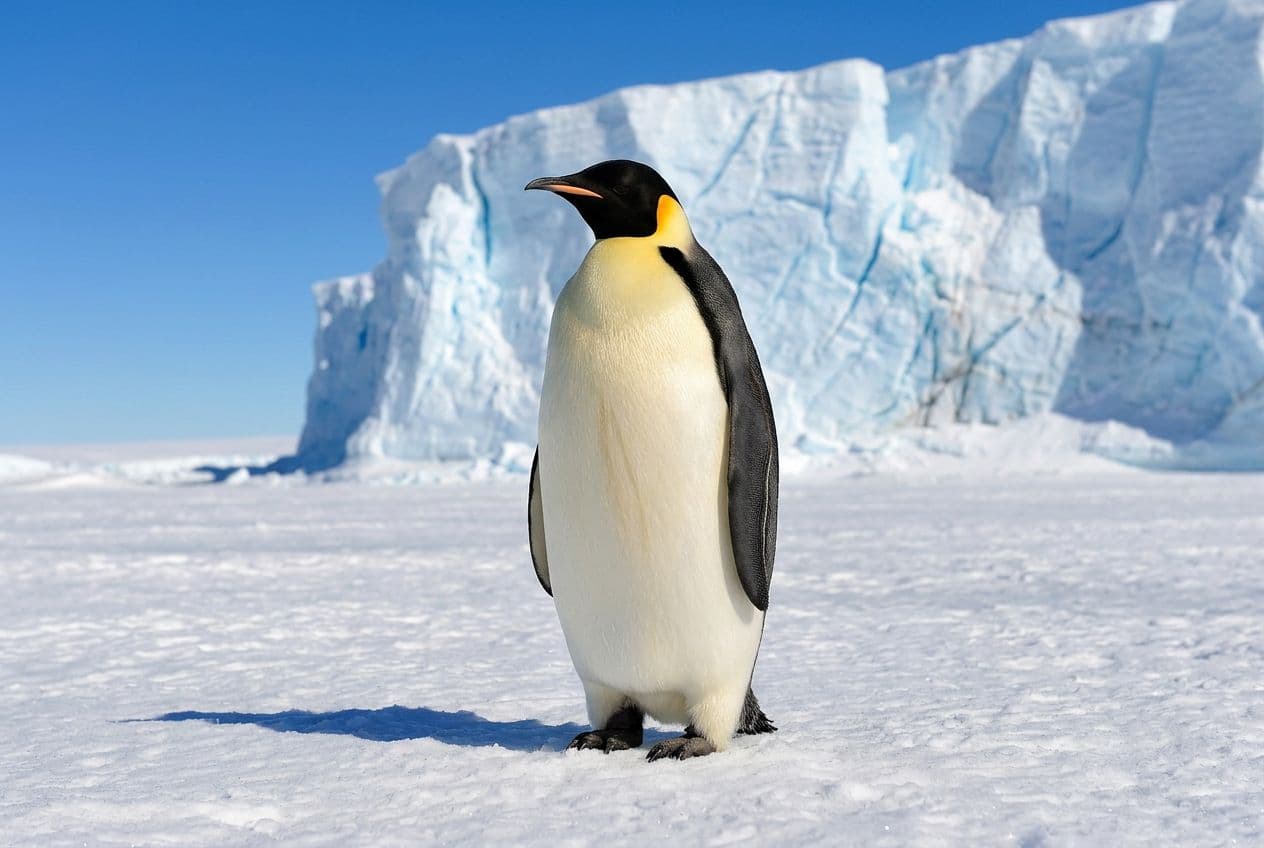
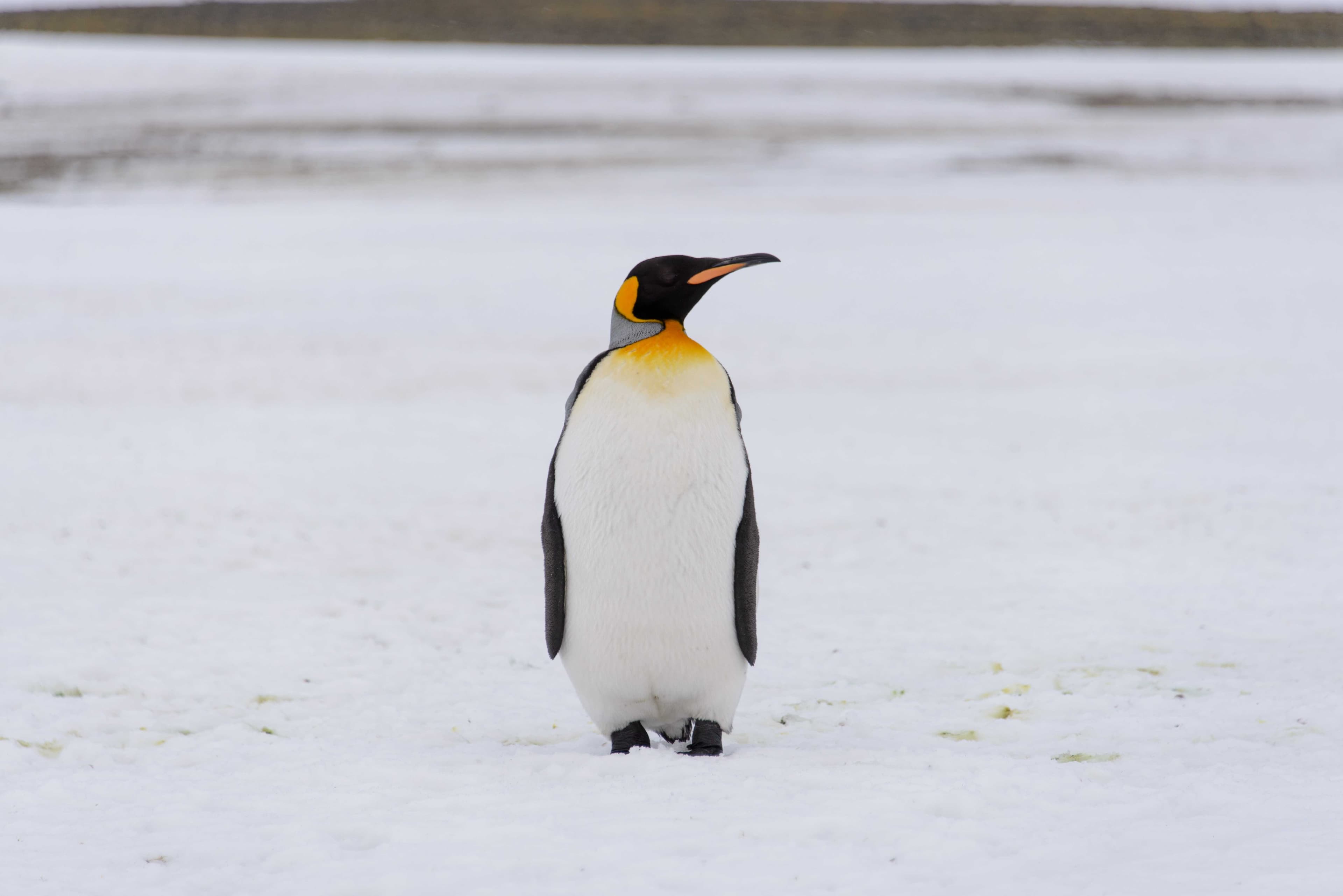
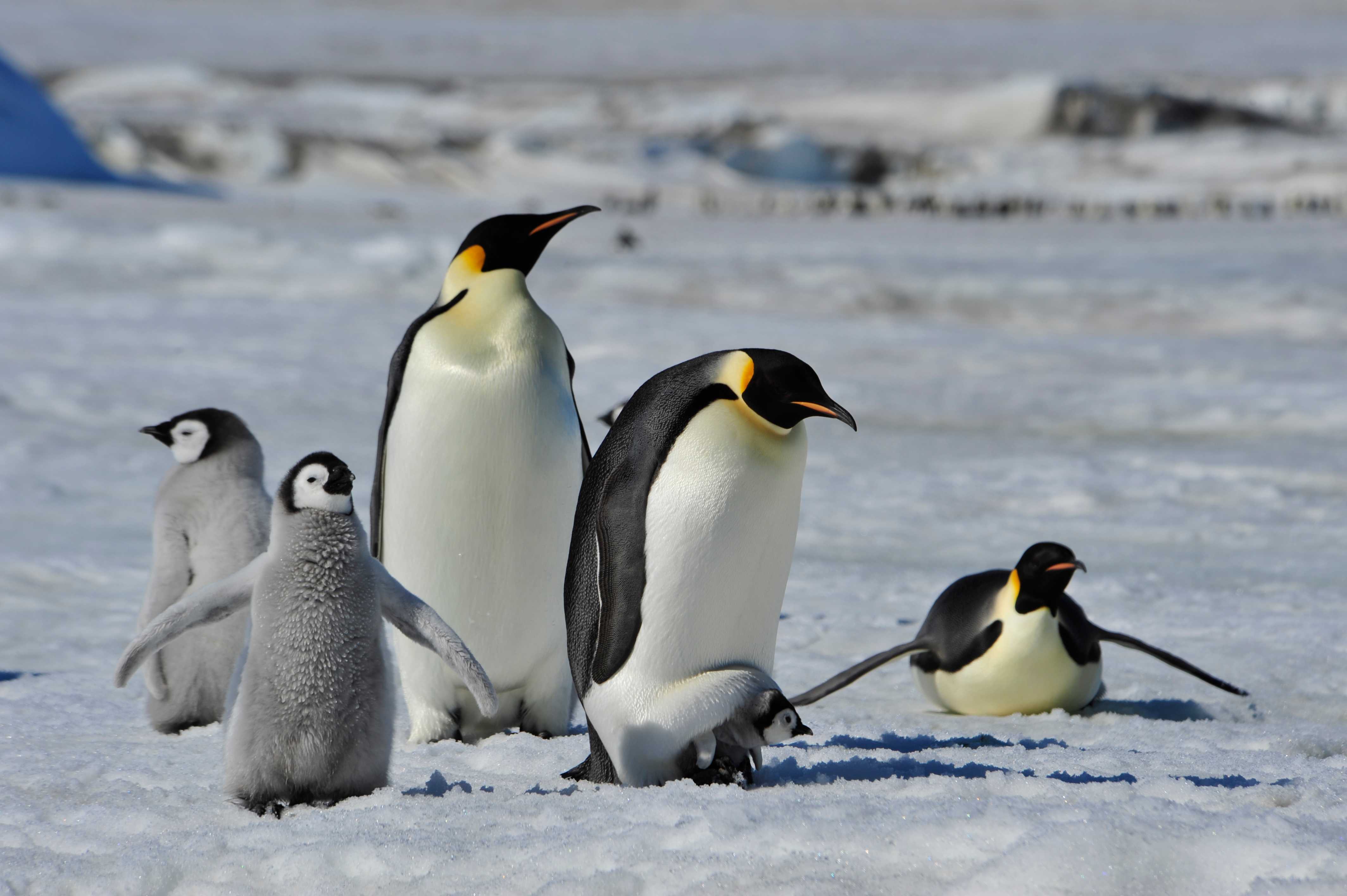
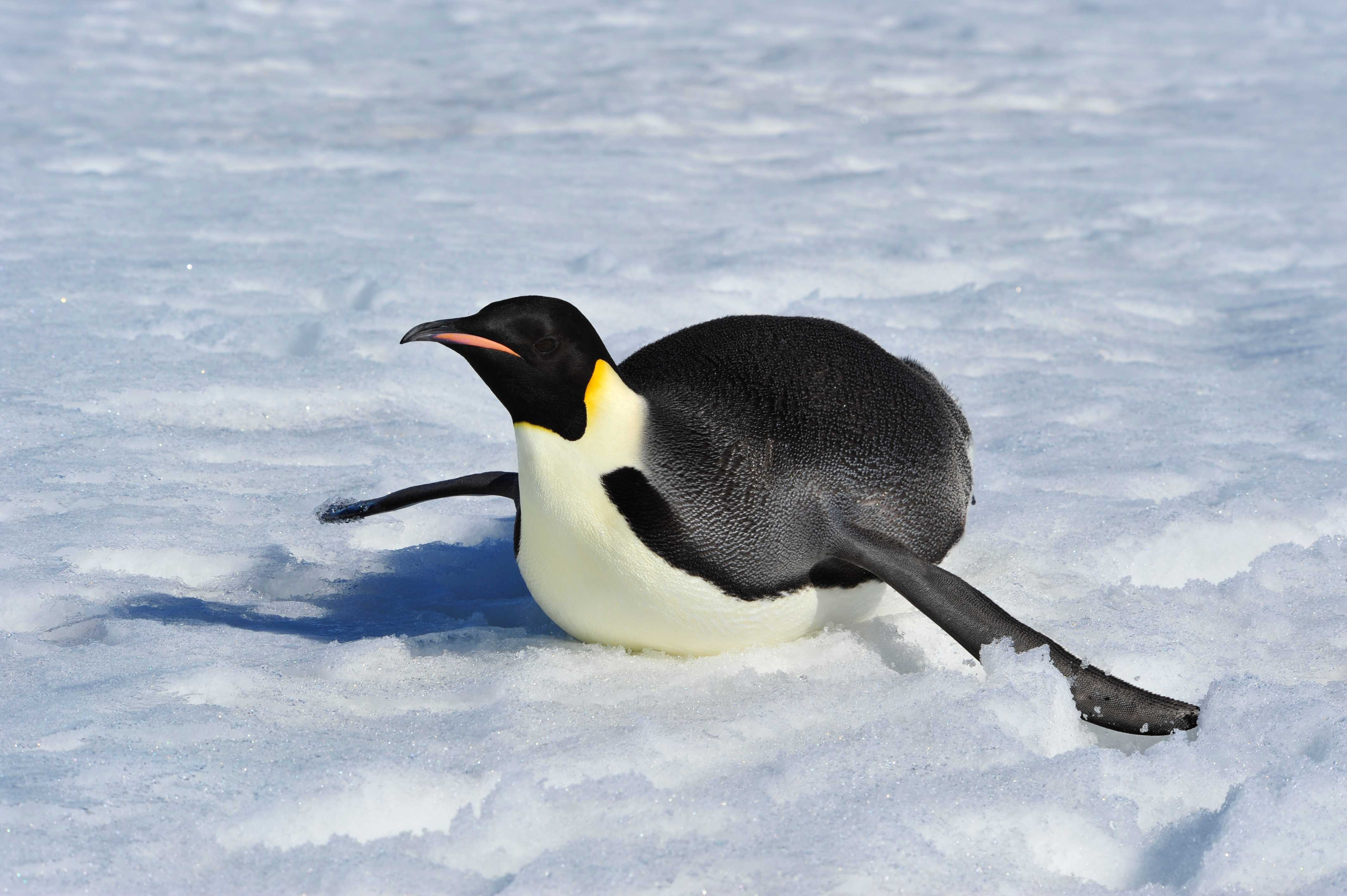
Their distinctive appearance sets them apart from other penguin species. The Emperor's plumage coat features a striking black back and head, a bright white belly, and the species' signature feature: vivid yellow and orange patches that extend from the sides of the head down to the upper chest. These golden accents aren't just nature's curiosity - they play a crucial role in mate recognition and social bonding.
Unlike most penguin species that nest on rocky shores or burrows, Emperor Penguins breed directly on the Antarctic sea ice. What appears to be a risky decision is, in fact, a carefully evolved survival strategy that keeps them away from land-based predators and provides access to the ocean's rich feeding grounds.
Surviving the Harshest Winter on Earth
At first glance, it's hard to imagine how Emperor penguins survive at all. Yet their bodies are perfectly built for life in Antarctica. Every aspect of their biology has been fine-tuned over millions of years to handle conditions that would kill most warm-blooded animals within hours.
Engineered for Antarctica's Cold
Emperor Penguins regularly endure temperatures between -20°C and -40°C, with wind chills driving the effective temperature even lower. Their secret lies in a multi-layered defense system in their bio-engineering.
Their feathers aren't just a single layer — Emperor penguins have roughly 15 feathers per square centimeter (about 100 per square inch), the highest feather density of any bird species. These feathers overlap like roof tiles, creating multiple air pockets that trap warmth close to the body. Beneath this feathered armor lies a thick layer of blubber — a dense layer of fat up to 3 cm thick — providing insulation and storing energy during the long fasting period of breeding season.
But perhaps their most ingenious adaptation is their sophisticated heat exchange system. Blood vessels in their flippers and legs are arranged in a counter-current pattern, where warm arterial blood flowing to the extremities passes right alongside cold venous blood returning to the body core. This design pre-cools the outgoing blood and pre-warms the returning blood, minimizing heat loss to the environment.
The Huddle: Hugging Cooperation
When winter storms rage across the ice, Emperor Penguins employ one of nature's most impressive examples of collective behavior - the huddle. Thousands of males pack together so tightly that they form a single, massive organism, with individuals taking turns between the warm center and the freezing outer edge.
Research has shown that huddles can reduce heat loss by up to 50% and cut wind exposure dramatically. The penguins don't stand still, though. The huddle constantly shifts and rotates, with birds on the windy outer edge gradually working their way toward the center before eventually cycling back out. This rotation ensures that no individual faces the full force of the storm for too long.
Temperature measurements have revealed that while the outside of a huddle might be -20°C, the interior can reach a surprisingly warm 37°C - warm enough that penguins in the center occasionally move back out to cool off.
Breeding Cycle
The Emperor Penguin's breeding cycle is one of the most demanding reproductive strategies in the animal kingdom. While most Antarctic species flee the continent's winter darkness, Emperor Penguins going nowhere.
The March Begins
Around March and April, as autumn descends on Antarctica, emperor penguins leave their ocean feeding grounds and travel across the sea ice to their traditional breeding colonies. Some colonies are located just a few kilometers from the ocean, while others require a long trip of up to 120 km across unpredictable ice and snow.
These aren't random destinations. Emperor Penguins return to the same breeding sites year after year, locations carefully selected for their stability and protection from the worst Antarctic storms. Scientists believe penguins navigate using a combination of visual landmarks, the position of the sun, and perhaps even the Earth's magnetic field.
The Male's Marathon Fast
Once at the breeding colony, Emperor Penguins engage in elaborate courtship displays. Males bow, produce distinctive trumpet-like calls that carry for kilometers, and display their vibrant chest patches to attract females. After mating, the female lays a single egg and timing is everything, as this typically occurs in May or early June, the beginning of the Antarctic winter.
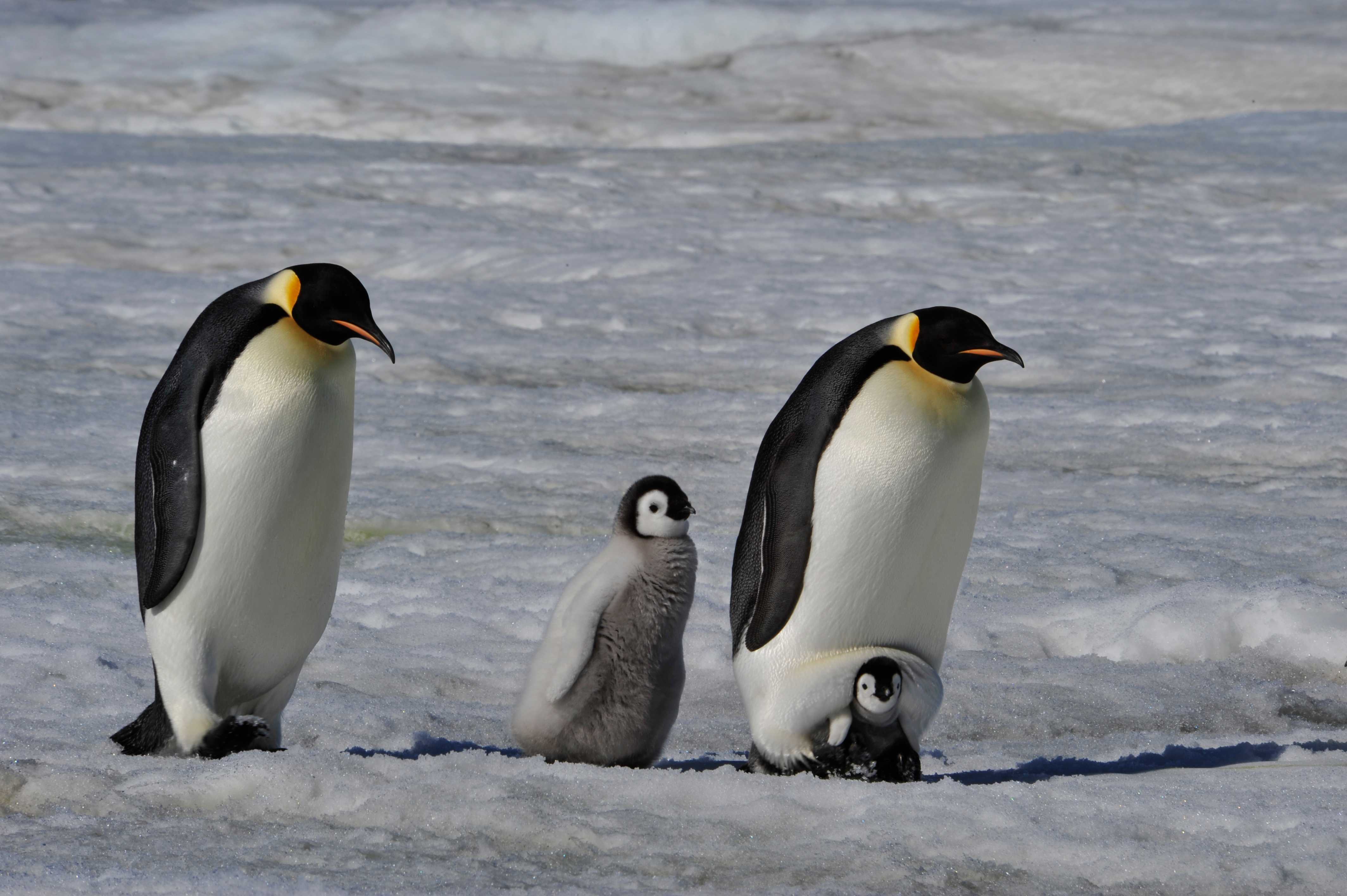
What happens next showcases one of nature's most extreme examples of parental dedication. The female carefully transfers the egg to the male, who immediately tucks it onto his feet and covers it with a warm fold of skin called the brood pouch. The female then departs, leaving the male to incubate the egg alone while she returns to the ocean to feed.
For the next 64 days, the male doesn't eat a single meal. He survives solely on his fat reserves while standing in the darkest, coldest period of the Antarctic year. During this time, males can lose up to 45% of their body weight. Their commitment has to be 100% - if the egg falls onto the ice for more than a few minutes, the embryo will freeze and die.
The Mother's Return
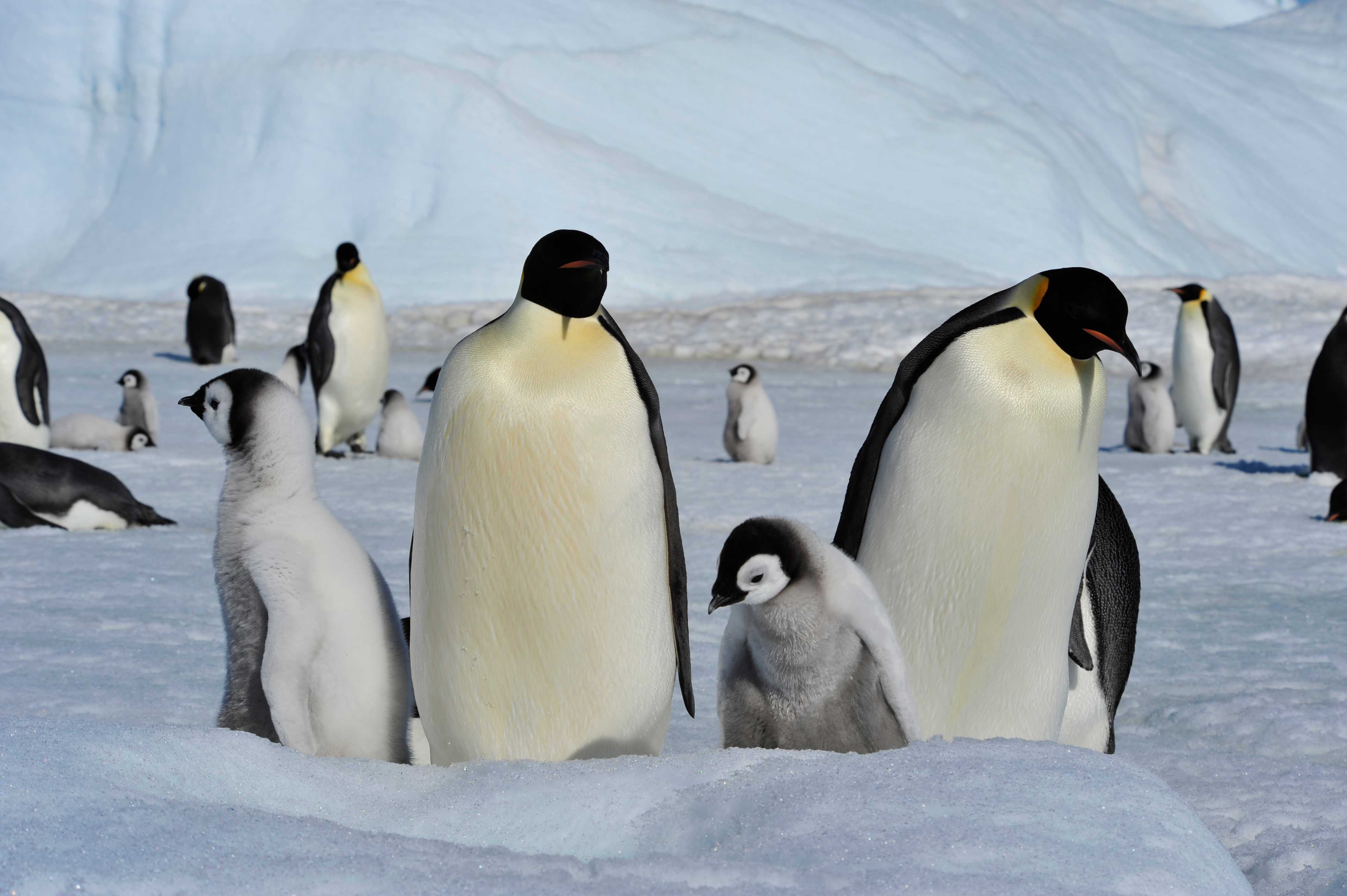
Timing is critical. The female must return with food just as the chick hatches, typically in July or August. Using calls that can distinguish their mate from thousands of others, females navigate back to the exact location where they left their partner.
If the female returns late, the male has a backup plan. For a few days, he can produce a small amount of nutrient-rich 'crop milk' from his esophagus - a tube that connects the throat to the stomach - to feed the newly hatched chick. But this is only a short-term solution - the chick needs substantial food soon, or it won't survive.
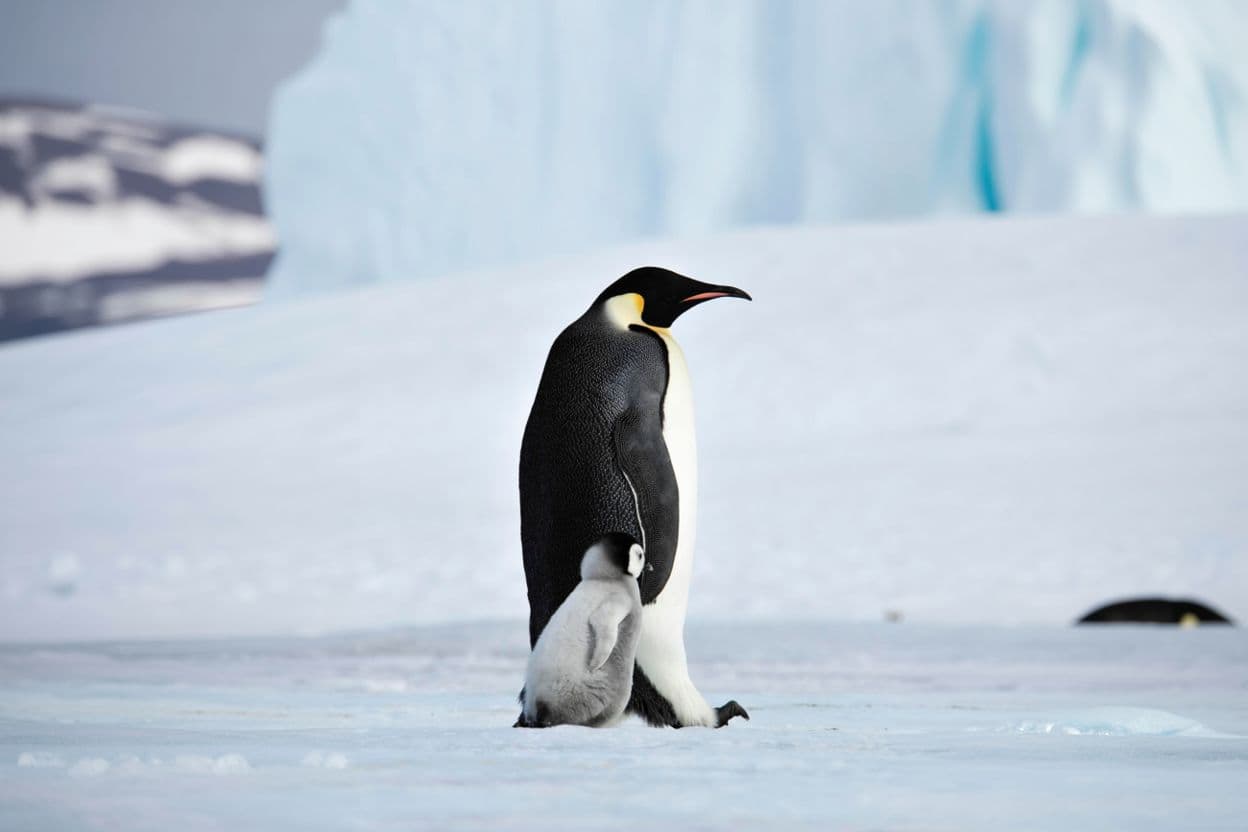
Once the mother returns, the parents switch roles. The male, having fasted for up to four months and lost enormous body weight, finally heads to the ocean to feed while the female tends the chick. This back-and-forth continues for months, with parents taking turns feeding at sea and caring for their growing offspring.
Masters of the Deep
Emperor Penguins aren't just ice experts - they're also among the most capable underwater divers in the bird world. They have an excellent skills to hunt underwater.
These penguins regularly dive to depths of 200-300 meters, with the deepest recorded dive reaching an astonishing 564 meters. They can hold their breath for over 20 minutes, though most dives last between 5-12 minutes as they hunt for fish, squid, and krill.
Their bodies contain special adaptations for deep diving. Emperor Penguins have solid bones rather than the hollow bones typical of flying birds, which helps them dive deeper without fighting buoyancy. Their muscles contain high concentrations of myoglobin, a protein that stores oxygen, and they can reduce their heart rate to as low as 15-20 beats per minute during dives to conserve oxygen.
Perhaps most remarkably, they can collapse their lungs during deep dives, reducing nitrogen absorption and preventing decompression sickness - the same condition that affects human divers who surface too quickly.
Climate Change: Is it a Threat?
Emperor penguins face an uncertain future. Their entire life cycle depends on stable sea ice, and climate change is disrupting the Antarctic ice patterns they've relied on for millennia.
Recent studies paint a sobering picture. As ocean temperatures rise and sea ice forms later and melts earlier, Emperor Penguin colonies are struggling. If ice breaks up before chicks have developed their waterproof adult feathers, the young birds can drown or freeze. Some colonies have experienced complete reproductive failures in recent years.
Scientists predict that under current climate trajectories, Emperor Penguin populations could decline by more than 80% by 2100. Some colonies, particularly those in the northern parts of their range, may disappear entirely within the next few decades.
The situation is serious enough that conservation organizations are pushing for emperor penguins to be listed as endangered. While they aren't under immediate threat, they face gradually increasing challanges.
Conservation and Research
Research stations across Antarctica monitor Emperor Penguin colonies, tracking population numbers, breeding success, and foraging patterns. Scientists use satellite imagery, remote cameras, and even GPS-equipped penguins to gather data about these penguins.
One surprising discovery from recent research: Emperor Penguins are far more numerous than previously thought. Satellite surveys using high-resolution imagery to detect penguin guano on the ice have identified previously unknown colonies and revised population estimates upward to approximately 595,000 individual birds across 61 known colonies.
But these higher numbers don't diminish the threats they face. Conservation efforts focus on establishing marine protected areas around key feeding grounds, monitoring sea ice conditions, and reducing other human impacts like overfishing of krill and fish species that penguins depend on.
Why Emperor Penguins Matter
Beyond their intrinsic value as one of Earth's most extraordinary species, Emperor Penguins serve as an important indicator species for Antarctic ecosystem health. Their breeding success reflects the overall state of Antarctic marine food webs, from tiny krill to the fish and squid they hunt.
They also capture human imagination in a unique way. ew animals display such human-like behavior, from complex social lives to playfulness and living in large colonies, almost like humans. Their story reminds us that life finds ways to persist in even the most extreme environments - and that these adaptations, developed over countless generations, can be disrupted by rapid environmental change.