Antarctica vs. North Pole: What's the Difference?
Discover the surprising differences between Earth's polar regions. From wildlife to ice formations, learn why Antarctica and the Arctic are more different than you might think.
Both are frozen, both have penguins (right?), and both are covered in ice and snow. If you're like most people, you might think Antarctica and the North Pole are basically the same place, just at opposite ends of the Earth. But here's the surprising truth: these two polar regions are drastically different in almost every way imaginable. As you’ve probably guessed, previously mentioned assumptions are of course incorrect.
The key difference is simple: Antarctica is a frozen continent at the South Pole, while the North Pole sits on floating sea ice in the Arctic Ocean. They differ in wildlife, climate, geography, and human presence. Understanding these differences reveals why the Arctic vs Antarctic comparison is more fascinating than most people realize.
Quick Comparison: Antarctica vs. Arctic
Land or Water
- Antarctica: Continent
- Arctic: Ocean
Wildlife
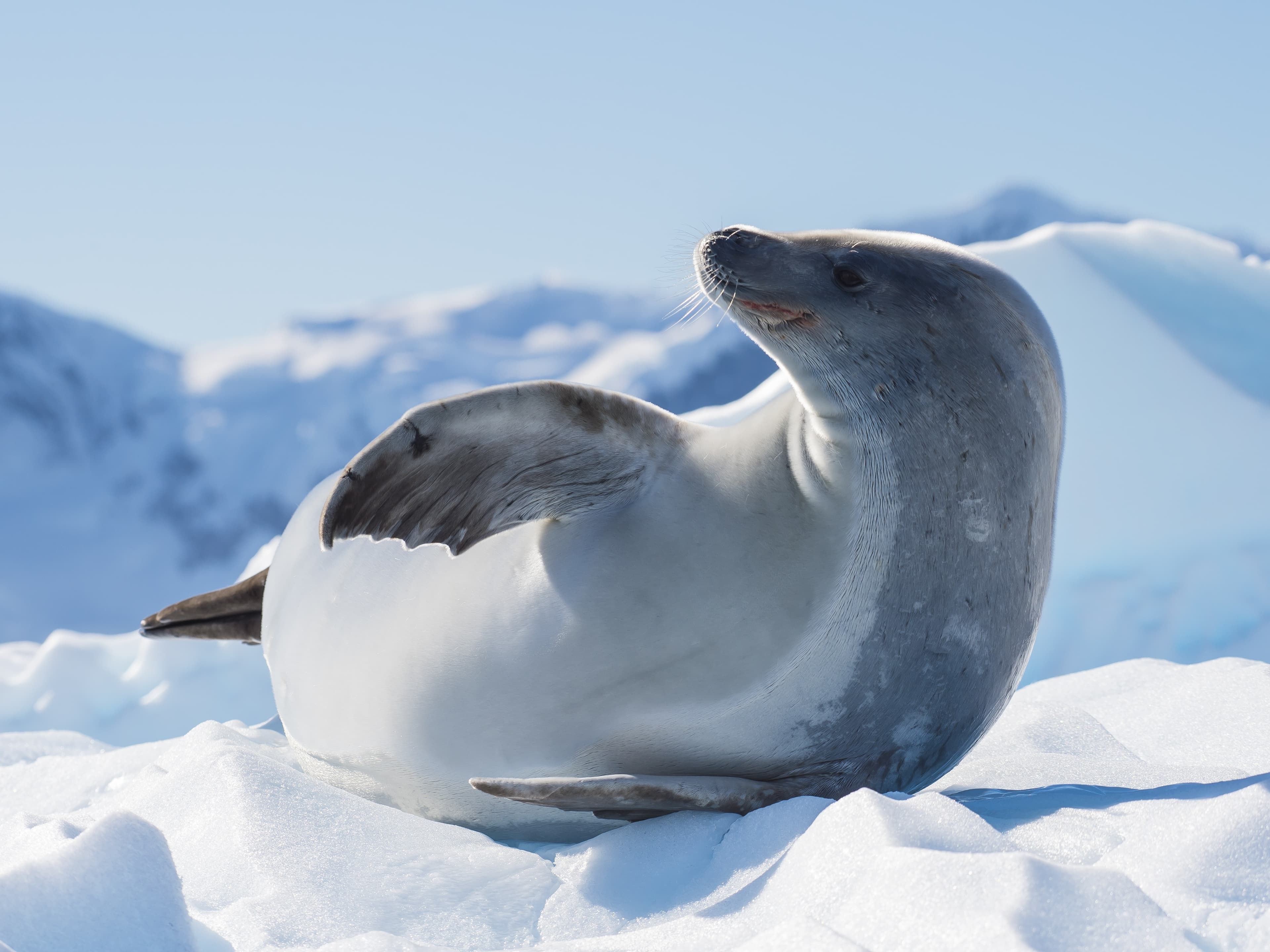
- Antarctica: Penguins, seals
- Arctic: Polar bears, Arctic foxes
People
- Antarctica: No permanent residents
- Arctic: ~4 million people
The Fundamental Difference: Land vs. Sea
Here's the biggest distinction that explains almost everything else: Antarctica is a continent surrounded by ocean, while the Arctic is an ocean surrounded by continents.
Antarctica is a massive continent, roughly the size of the United States and Mexico combined. Beneath all that ice lies actual land-mountains, valleys, and bedrock. The ice sheet sitting on top averages about 2 kilometers thick.
The North Pole sits in the middle of the Arctic Ocean. There's no land underneath—just frozen ocean water. If you stood at the North Pole, you'd be standing on ice floating over deep water, not solid ground.
This fundamental difference ripples through everything else about these regions.
Temperature: Which Is Colder?
If you had to choose one place to spend a winter, Antarctica would be significantly more brutal.
Antarctica holds the record for the coldest temperature ever recorded on Earth: -89°C at Vostok Station. Winter temperatures regularly drop below -60°C, and even in summer, the interior rarely climbs above freezing.
The Arctic, while still extremely cold, is relatively mild by comparison. Winter temperatures typically range from -40°C to -30°C. Summer temperatures can actually climb above freezing.
Why is Antarctica so much colder?
Elevation matters - Antarctica sits at much higher elevation, with the ice sheet raising the average altitude to over 2,000 meters. Higher altitude means colder temperatures.
Ocean heat - The Arctic Ocean, even when frozen, provides some insulating warmth from below. Antarctica's interior has no such buffer.
Sunlight reflection - Antarctica's massive ice sheet reflects more sunlight back into space, preventing warming.
Wildlife: Polar Bears and Penguins?
This is where the most common misconceptions exist.
Antarctica has penguins - lots of them. Emperor Penguins, Adélie Penguins, Chinstrap Penguins, and Gentoo Penguins all breed on or around the Antarctic continent. You'll also find seals, whales, and various seabirds like albatrosses.
But here's what Antarctica doesn't have: polar bears, Arctic foxes, wolves, or any land-based mammals. There are no trees, no large land predators, and no indigenous human populations.
The Arctic is home to polar bears - they live exclusively in the Northern Hemisphere and have never existed in Antarctica despite what cartoons might suggest. You'll also find Arctic foxes, wolves, musk oxen, caribou, and various bird species. Different seal and whale species live in Arctic waters too.
And crucially, the Arctic has people. Indigenous populations such as the Inuit and Sámi have lived there for thousands of years. Today, towns and cities stretch across Alaska, Canada, Russia, Greenland, and Scandinavia
Why the difference? Antarctica's extreme isolation prevented land mammals from colonizing it. It's been separated from other landmasses for millions of years. The Arctic, by contrast, is connected to major continents, allowing animals and people to reach it.
Ice Behavior: Stable vs. Dynamic
The ice in these two regions behaves very differently.
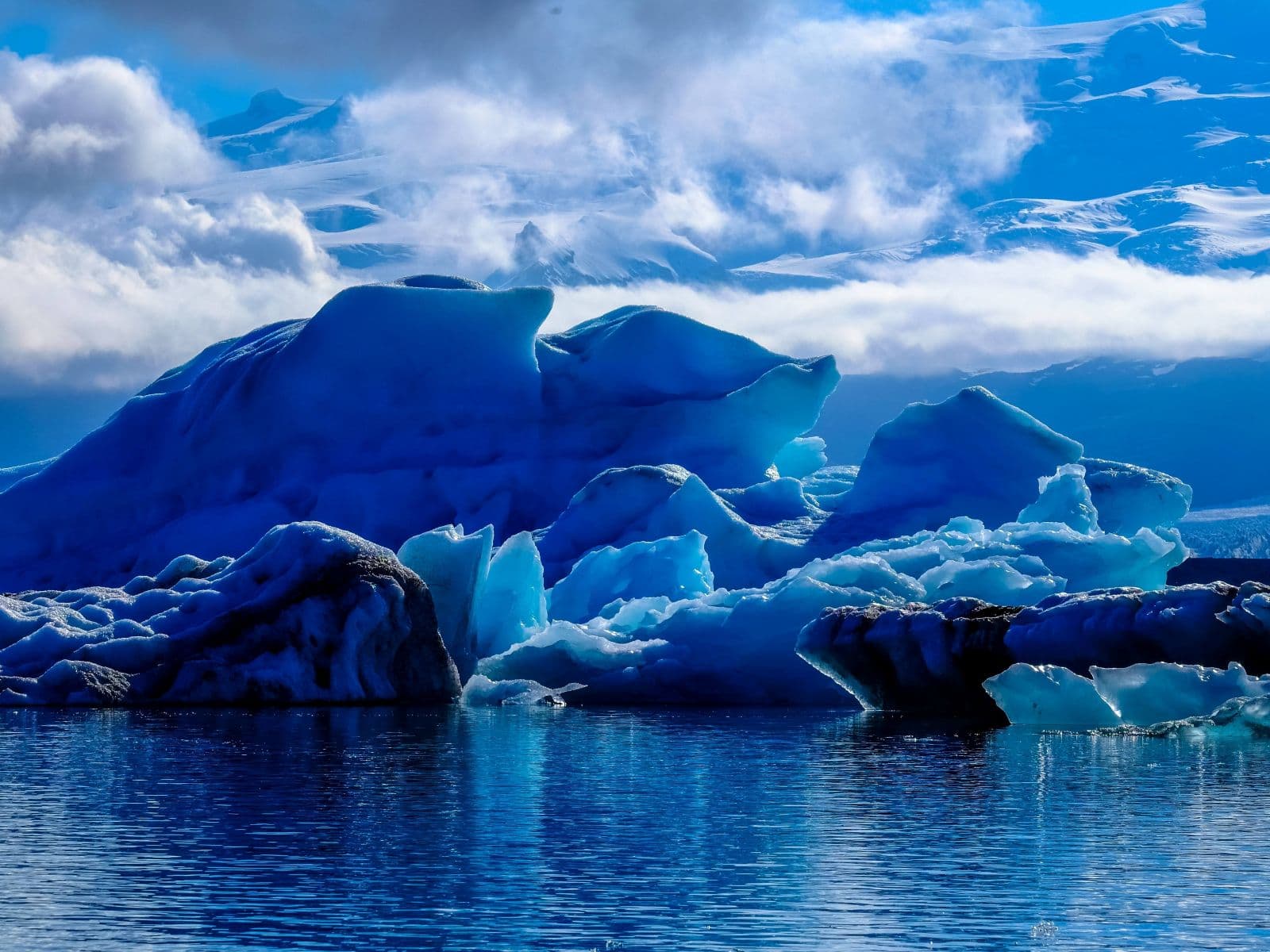
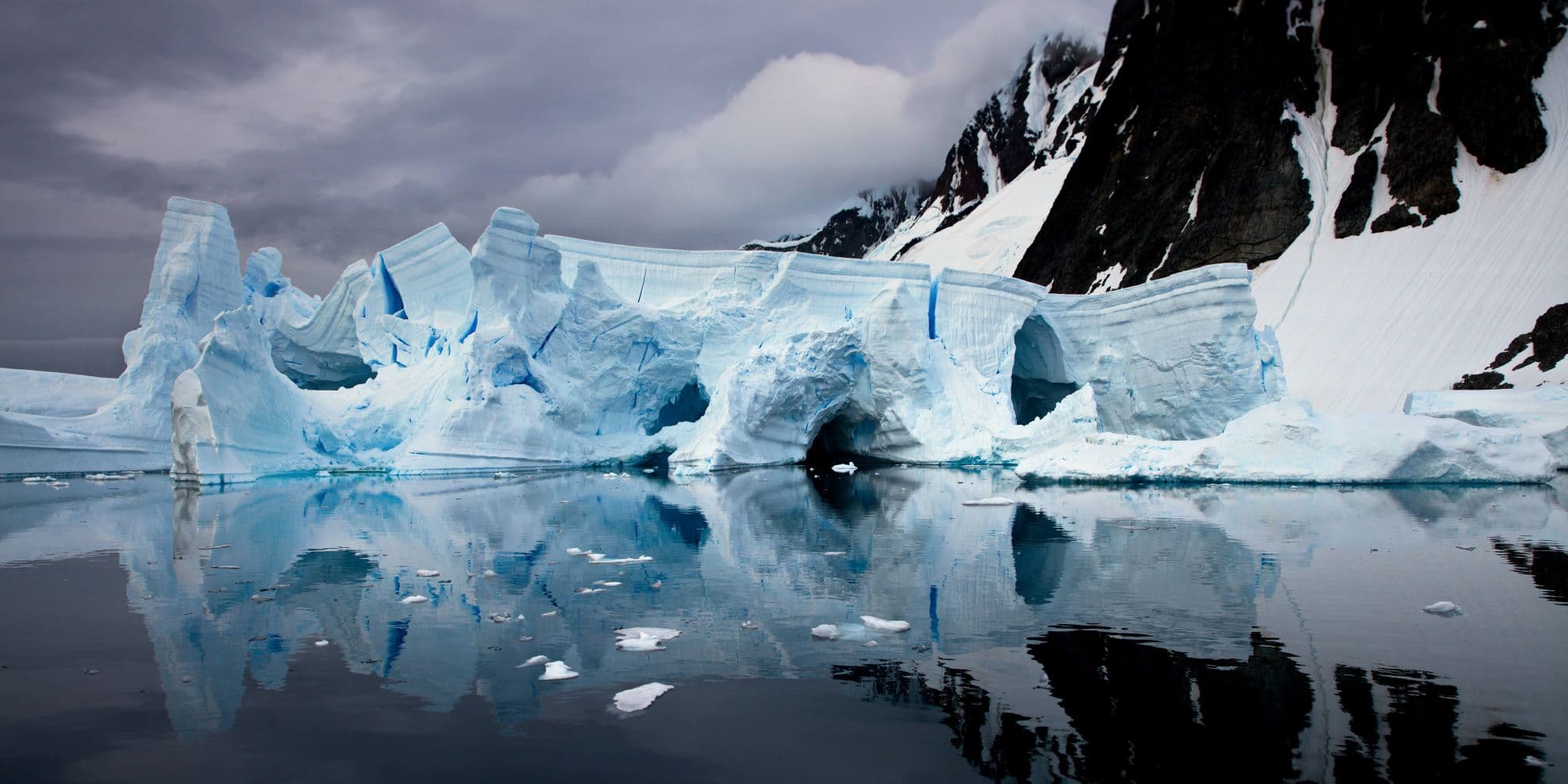
Antarctica's ice sheet is ancient and relatively stable. Much of it has been there for hundreds of thousands of years, building up from accumulated snowfall. This land ice is permanent and massive.
The continent is also surrounded by sea ice that freezes and melts seasonally, but the land ice remains year-round.
Arctic sea ice is much more dynamic. It freezes each winter and partially melts each summer. The ice is constantly moving, cracking, and reforming. In recent decades, summer ice extent has decreased dramatically.
Most Arctic sea ice is relatively young - just a few years old at most.
Human Presence: People vs. Wilderness
Are Antarctica and the North Pole the same in terms of human habitation? Absolutely not.
Antarctica has no permanent human residents. The only people there are scientists and support staff at research stations, there temporarily. Even at peak summer, the population is only around 5,000. In winter, it drops to about 1,000.
Antarctica is protected by international treaty for peaceful scientific research. There are no countries, no cities, no regular commercial flights.
The Arctic is home to about 4 million people, including indigenous populations whose ancestors lived there for millennia. There are cities, roads, airports, shipping routes, and active resource extraction.
The Arctic is divided among eight countries: Russia, Canada, the United States, Denmark, Norway, Sweden, Finland, and Iceland.
Getting There: Accessibility Differences
Antarctica is remote and difficult to reach. Most visitors arrive by ship from South America or by charter flights to research stations. Tourism exists but is expensive and limited. The continent remained largely unexplored until the 20th century.
The Arctic is far more accessible. You can drive to parts of it in Alaska, Canada, and Scandinavia. Commercial flights serve Arctic cities. Arctic regions have been explored and inhabited for over 1,000 years.
Which Has More Ice and Fresh Water?
When it comes to sheer volume, Antarctica dominates - by an enormous margin. Antarctica holds about 90% of all the ice on Earth and roughly 70% of the planet's freshwater. Its ice sheet averages around 2 kilometers thick and, in some places, is much deeper. If all of Antarctica's land ice melted, global sea levels would rise by nearly 58 meters.
The Arctic, by contrast, is mostly floating sea ice. While it looks vast from above, Arctic sea ice is typically only a few meters thick and sits on top of ocean water. Sea ice doesn't significantly raise sea levels when it melts because it's already floating. Greenland's ice sheet - which is in the Arctic region - does contain large amounts of freshwater, but even combined, the Arctic still holds far less ice than Antarctica.
Greenland's ice sheet holds about 2.9 million cubic kilometers of ice, and Arctic sea ice adds only a tiny fraction more. Antarctica, by comparison, contains around 26-27 million cubic kilometers of ice - nearly ten times as much as the entire Arctic region combined.
Climate Change Impact
Both regions are warming, but at different speeds.
The Arctic is warming faster than anywhere else on Earth - about twice the global average. Summer sea ice is declining dramatically.
Antarctica is experiencing complex changes. Some areas are warming rapidly, while others show little change. Antarctic ice loss would primarily affects global sea levels and ocean circulation patterns.
The South Pole vs North Pole climate story shows two different faces of global warming - one rapid and visible, the other more complex but with potentially larger long-term consequences.
The Bottom Line
So what's the difference between Antarctica and the North Pole? Just about everything.
One is a frozen continent with penguins, no polar bears, and no permanent human residents - the coldest, most isolated place on Earth. The other is a frozen ocean surrounded by inhabited continents, home to polar bears, millions of people, and comparatively warm conditions.